Vegane Ernährung im Leistungssport – zwischen Planung, Evidenz und Performance
Mehr als eine Ernährungsentscheidung
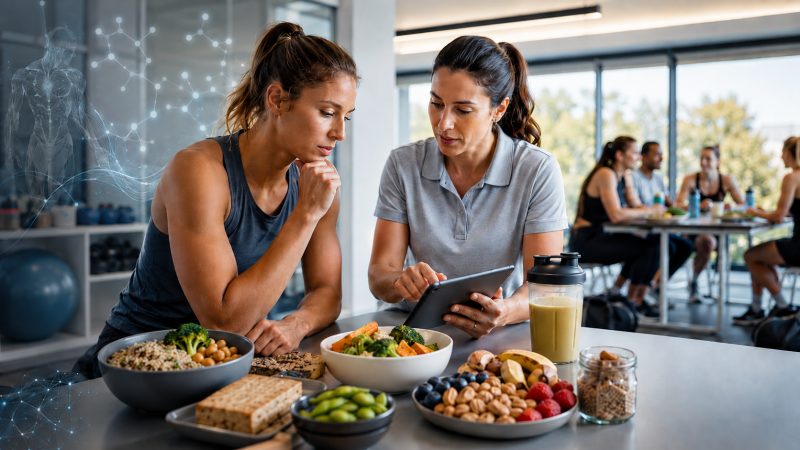
Sich vegan zu ernähren ist im Leistungssport weniger eine Glaubensfrage als ein Stresstest für Ernährungsplanung, Evidenz und Teamkommunikation. Zwischen ethischer Motivation, sozialem Widerstand und sportlichem Leistungsanspruch entsteht ein Spannungsfeld, das auch Physiotherapeut betrifft: Ernährung beeinflusst Belastbarkeit, Regeneration, Körperkomposition, Verletzungsrisiko und die Qualität interdisziplinärer Betreuung.
Die vegane Ernährung sollte deshalb weder als Trend noch als automatisch bessere oder schlechtere Ernährungsform betrachtet werden. Entscheidend ist, wie sie geplant, umgesetzt und an individuelle Anforderungen angepasst wird.
Sozialpsychologie: Warum Veränderung schwierig ist
Ernährung ist eng mit Identität, Gewohnheiten und sozialen Normen verbunden. Fleisch gilt in vielen Gesellschaften als selbstverständlich und wird teilweise mit Männlichkeit, Stärke und Normalität verbunden. Eine vegane Lebensweise kann deshalb nicht nur eine Veränderung des Speiseplans, sondern einen umfassenden Identitätswechsel bedeuten.
Motive für Veganismus reichen von Tierwohl und Umwelt über gesundheitliche Überzeugungen bis hin zu religiösen, kulturellen oder sensorischen Gründen. Gleichzeitig erschweren soziale Erwartungen, familiäre Essgewohnheiten und begrenzte Alternativen die langfristige Umsetzung.
Chancen und Grenzen
Eine pflanzenbasierte Ernährung ermöglicht eine hohe Aufnahme von Ballaststoffen, Obst, Gemüse, Vollkornprodukten, Hülsenfrüchten, Nüssen und Samen. Damit können sich gesundheitliche Vorteile verbinden, etwa hinsichtlich Herz-Kreislauf-Erkrankungen, Stoffwechselgesundheit und Körpergewicht. Gleichzeitig ist Veganismus kein „heiliger Gral“: Durch den Verzicht auf tierische Lebensmittel können insbesondere Vitamin B12, Eisen, Zink, Kalzium, Vitamin D, Jod, Protein und langkettige Omega-3-Fettsäuren kritisch werden.
Auch die Proteinversorgung verlangt mehr Planung. Pflanzliche Proteinquellen unterscheiden sich hinsichtlich Aminosäureprofil, Verdaulichkeit und Leucingehalt. Durch ausreichende Mengen, abwechslungsreiche Quellen und Kombinationen lässt sich die Versorgung jedoch optimieren.
Mythen unter der Lupe
Einige verbreitete Argumente halten einer differenzierten Betrachtung nicht stand. So zeigen Untersuchungen keinen relevanten Einfluss von Sojaprotein oder Isoflavonen auf Testosteron- oder Östrogenspiegel bei Männern.
Auch die Aussage, pflanzliche Proteine könnten grundsätzlich keine Muskulatur aufbauen, greift zu kurz. Soja und Quinoa enthalten alle essenziellen Aminosäuren; Kombinationen wie Reis und Erbsenprotein können Aminosäureprofile ergänzen. Bei ausreichend hoher Proteinzufuhr können pflanzliche Proteine vergleichbare Effekte auf Muskelmasse und Muskelfunktion erreichen.
Bei Omega-3 ist die Situation komplexer: ALA aus Leinöl, Walnüssen oder Rapsöl muss zunächst umgewandelt werden, während Mikroalgen direkt EPA und DHA liefern können.
Leistungssport: Was sagt die Evidenz?
Spitzenleistungen sind auch mit veganer Ernährung möglich. Ob sie der omnivoren Ernährung hinsichtlich Ausdauer, Kraft oder Regeneration überlegen ist, bleibt jedoch offen. Die Studienlage ist insbesondere für den Leistungssport und langfristige Effekte begrenzt.
Für die Praxis bedeutet das: Nicht die Ernährungsform allein entscheidet über Leistung, sondern deren individuelle Umsetzung. Besonders wichtig sind Energieverfügbarkeit, Proteinversorgung und kritische Mikronährstoffe.
Eine zentrale Herausforderung ist RED-S: Eine dauerhaft zu geringe Energiezufuhr kann Stoffwechsel, Proteinsynthese, Gesundheit und Leistungsfähigkeit beeinträchtigen. Gerade bei Sportler mit hohem Energiebedarf muss deshalb auf ausreichende Kalorienzufuhr geachtet werden.
Protein und Mikronährstoffe
Für sportlich aktive Personen werden etwa 1,6–2,2 g Protein/kg Körpergewicht pro Tag genannt. Pflanzliche Proteine können größere Portionen erfordern; eine gleichmäßige Verteilung auf mehrere Mahlzeiten und die Kombination unterschiedlicher Quellen können helfen.
Besondere Aufmerksamkeit verdienen Vitamin B12, Eisen, Zink, Kalzium und Vitamin D. Vor allem ein Vitamin-B12-Mangel ist problematisch, weil funktionelle Einschränkungen bereits auftreten können, bevor klinische Symptome sichtbar werden. Eine gezielte Supplementierung und regelmäßige Kontrolle des Versorgungsstatus sind daher zentrale Bestandteile einer professionellen Planung.
Supplemente: Wo wird es interessant?
Neben B12 können je nach Situation Kreatin, Beta-Alanin, Nitrate, Taurin sowie Omega-3-Fettsäuren relevant sein. Besonders Kreatin ist für vegane Sportler interessant, da es über die Ernährung praktisch ausschließlich aus tierischen Quellen stammt und Veganer niedrigere Kreatinspeicher aufweisen.
Doch genau hier beginnt die entscheidende Frage: Welche Supplemente sind im konkreten Sport, bei welcher Belastung und für welche Person tatsächlich sinnvoll – und welche Risiken entstehen durch eine schlecht geplante vegane Ernährung?
Fazit
Eine vegane Ernährung kann im Leistungssport funktionieren, verlangt jedoch mehr Planung und Kontrolle. Energiezufuhr, Proteinqualität, Mikronährstoffe, Supplementierung und Blutwerte sollten individuell berücksichtigt werden. Pauschale Pro- oder Contra-Aussagen werden der komplexen Studienlage nicht gerecht.
Planung und Kontrolle sind dabei genauso entscheidend wie beim Trainingsplan. Wer tiefer einsteigen möchte, findet in der DK Academy weiterführende Inhalte, E-Books, Webinare und Seminare zur praxisnahen Weiterbildung.
Dein DK Sports & Physio Team aus der Karlsruher Oststadt
Den ausführlichen Artikel findest du in unserer DK Academy.
Wir geben Physiotherapeuten, Trainern und allen Wissbegierigen einen sachlichen Einblick in die Physiotherapie und helfen so die Rehabilitation und das Training nach Verletzungen oder Beschwerden effizienter zu gestalten.
Sichere dir vollen Zugriff auf unsere Rehab Live Sessions, exklusive Review- und Blogartikel, Simple Tipps und Infografiken.
Du benötigst Physiotherapie im Raum Karlsruhe? Dann sind wir gerne für dich da und unterstützen dich!
Dein DK Sports & Physio Team aus der Karlsruher Oststadt
Unsere weiteren Blog-Artikel

Training als Medikament bei Multipler Sklerose?

Vegane Ernährung im Leistungssport – zwischen Planung, Evidenz und Performance
MTSS oder LIMP? Warum wir das „Schienbeinkantensyndrom“ neu denken müssen
Glutenunverträglichkeit – alles nur Kopfsache?

Airex-Kissen & Bosu-Bälle – Spielzeug oder kann das weg?
Warum wir über die Reruptur des Kreuzbandes sprechen müssen

Arroganz in der Physiotherapie? Zwischen Wissen und Gewissheit
Quellenangaben:
[1] Alles B, Baudry J, Mejean C, Touvier M, Peneau S, Hercberg S, et al. Comparison of sociodemographic and nutritional characteristics between selfreported vegetarians, vegans, and meat-eaters from the NutriNet-sante study. Nutrients 2017;9:1023.
[2] Nieto ÁVA, Diaz AH, Hernández M. Are there Effective Vegan-Friendly Supplements for Optimizing Health and Sports Performance? a Narrative Review. Curr Nutr Rep. 2025 Mar 12;14(1):44. doi: 10.1007/s13668-025-00633-4. PMID: 40072649.
[3] Piazza J, Ruby MB, Loughnan S, Luong M, Kulik J, Watkins HM, Seigerman M. Rationalizing meat consumption. The 4Ns. Appetite. 2015 Aug;91:114-28. doi: 10.1016/j.appet.2015.04.011. Epub 2015 Apr 9. PMID: 25865663.
[4] Asher, K., Green, C., Gutbrod, H., Jewell, M., Hale, G. & Bastian, B. (2014). Study of current and former vegetarians and vegans.
[5] Trummer, M. (2014). Die kulturellen Schranken des Gewissens – Fleischkonsum zwischen Tradition, Lebensstil und Ernährungswissen. In G. Hirschfelder, A. Ploeger, J. Rickert-John & G.
Schönberger (Hrsg.), Was der Mensch essen darf. Ökonomischer Zwang, ökologisches Gewissen und globale Konflikte (S. 63-82). Wiesbaden: SpringerVS.
[6] Lymbery, P. (2014). Farmageddon: The true cost of cheap meat. London: Bloomsbury UK.
[7] Alles B, Baudry J, Mejean C, Touvier M, Peneau S, Hercberg S, et al. Comparison of sociodemographic and nutritional characteristics between selfreported vegetarians, vegans, and meat-eaters from the NutriNet-sante study. Nutrients 2017;9:1023.
[8] Papier K, Tong TYN, Appleby PN, Bradbury KE, Fensom GK, Knuppel A, et al. Comparison of major protein-source foods and other food groups in meat eaters and non-meat-eaters in the EPIC-oxford cohort. Nutrients 2019;11:824.
[9] Newby PK, Tucker KL, Wolk A. Risk of overweight and obesity among semivegetarian, lactovegetarian, and vegan women. Am J Clin Nutr 2005;81:1267e74.
[10] Spencer EA, Appleby PN, Davey GK, Key TJ. Diet and body mass index in 38000 EPIC-Oxford meat-eaters, sh-eaters, vegetarians and vegans. Int J ObesRelat Disord 2003;27:728e34.
[11] Appleby PN, Davey GK, Key TJ. Hypertension and blood pressure among meat eaters, sh eaters, vegetarians and vegans in EPIC-Oxford. Publ Health Nutr2002;5:645e54.
[12] Dinu M., Abbate R., Gensini G.F., Casini A., Sofi F. Vegetarian, vegan diets and multiple health outcomes: a systematic review with meta-analysis of observational studies. Crit. Rev. Food Sci. Nutr. 2017;57(17):3640–3649. doi: 10.1080/10408398.2016.1138447.
[13] Craig W.J. Health effects of vegan diets. Am. J. Clin. Nutr. 2009;89(5):1627S–1633S. doi: 10.3945/ajcn.2009.26736n.
[14] van der Heijden I., Monteyne A.J., Stephens F.B., Wall B.T. Alternative dietary protein sources to support healthy and active skeletal muscle aging. Nutr. Rev. 2023;81(2):206–230. doi: 10.1093/nutrit/nuac049.
[15] Chai B.C., van der Voort J.R., Grofelnik K., Eliasdottir H.G., Klöss I., Perez-Cueto F.J.A. Which diet has the least environmental impact on our planet? A systematic review of vegan, vegetarian and omnivorous diets. Sustainability. 2019;11(15):4110. doi: 10.3390/su11154110.
[16] Dyett P.A., Sabaté J., Haddad E., Rajaram S., Shavlik D. Vegan lifestyle behaviors. An exploration of congruence with health-related beliefs and assessed health indices. Appetite. 2013;67:119–124. doi: 10.1016/j.appet.2013.03.015.
[17] Ruby M.B. Vegetarianism. A blossoming field of study, Appetite. 2012;58(1):141–150. doi: 10.1016/j.appet.2011.09.019.
[18] Segovia-Siapco G, Sabate J. Health and sustainability outcomes of vegetarian dietary patterns: a revisit of the EPIC-Oxford and the Adventist Health Study2 cohorts. Eur J Clin Nutr 2019;72:60e70.
[19] Lawrence MA, McNaughton SA. Vegetarian diets and health. Br Med J 2019;366:l5272.
[20] Venderley A.M., Campbell W.W. Vegetarian diets, Sports. Sports Med. 2006;36(4):293–305. doi: 10.2165/00007256-200636040-00002.
[21] Melina V., Craig W., Levin S. Position of the academy of nutrition and dietetics: vegetarian diets. J. Acad. Nutr. Diet. 2016;116(12):1970–1980. doi: 10.1016/j.jand.2016.09.025.
[22] Uzunöz, M. & Karakas, G. (2011). Socio-economic Determinants of red meat consumption in Turkey: A case study. Cankiri Karatekin Universitesi Sosyal Bilimler Enstitüsü Dergisi, 5(1), 37-52.
[23] Gossard, M.H. & York, R. (2003). Social structural influences on meat consumption. Human Ecology Review, 10(1), 1-9.
[24] Rothgerber, H. (2012). Real men don’t eat (vegetable) quiche: Masculinity and the justification of meat consumption. Psychology of Men & Masculinity, 14(4), 363-375.
[25] Clonan, A., Roberts, K. & Holdsworth, M. (2016). Socioeconomic and demographic drivers of red and processed meat consumption: implications for health and environmental sustainability.
Proceedings of the Nutrition Society, 75(3), 367-373.
[26] Verbeke, W. & Vackier, I. (2004). Profile and effects of consumer involvement in fresh meat. Meat Science, 67, 159-168.
[27] Gutjahr, J. (2012). Interdependenzen zwischen Tierausbeutung und Geschlechterverhältnis.
Fleischkonsum und die soziale Konstruktion von Männlichkeit. Diplomarbeit an der Universität Hamburg.
[28] Ruby MB. Vegetarianism. A blossoming field of study. Appetite. 2012 Feb;58(1):141-50. doi: 10.1016/j.appet.2011.09.019. Epub 2011 Oct 4. PMID: 22001025.
[29] Piazza J, Ruby MB, Loughnan S, Luong M, Kulik J, Watkins HM, Seigerman M. Rationalizing meat consumption. The 4Ns. Appetite. 2015 Aug;91:114-28. doi: 10.1016/j.appet.2015.04.011. Epub 2015 Apr 9. PMID: 25865663.
[30] Bulsiewicz WJ. The Importance of Dietary Fiber for Metabolic Health. Am J Lifestyle Med. 2023 Apr 12;17(5):639-648. doi: 10.1177/15598276231167778. PMID: 37711348; PMCID: PMC10498976.
[31] Barber TM, Kabisch S, Pfeiffer AFH, Weickert MO. The Health Benefits of Dietary Fibre. Nutrients. 2020 Oct 21;12(10):3209. doi: 10.3390/nu12103209. PMID: 33096647; PMCID: PMC7589116.
[32] Akbar A, Shreenath AP. High Fiber Diet. [Updated 2023 May 1]. In: StatPearls [Internet]. Treasure Island (FL): StatPearls Publishing; 2025 Jan-. Available from: https://www.ncbi.nlm.nih.gov/books/NBK559033/
[33] Kim J, Wilkens LR, Haiman CA, Le Marchand L, Park SY. Plant-based dietary patterns and mortality from all causes, cardiovascular disease, and cancer: The Multiethnic Cohort Study. Clin Nutr. 2024 Jun;43(6):1447-1453. doi: 10.1016/j.clnu.2024.04.035. Epub 2024 Apr 29. PMID: 38703511.
[34]https://www.dge.de/gesunde-ernaehrung/faq/ausgewaehlte-fragen-und-antworten-zu-ballaststoffen/ zuletzt aufgerufen am 18.10.2025
[35] McRae MP. Health Benefits of Dietary Whole Grains: An Umbrella Review of Meta-analyses. J Chiropr Med. 2017 Mar;16(1):10-18. doi: 10.1016/j.jcm.2016.08.008. Epub 2016 Nov 18. PMID: 28228693; PMCID: PMC5310957.
[36] Schupbach R, Wegmuller R, Berguerand C, Bui M, Herter-Aeberli I. Micronutrient status and intake in omnivores, vegetarians and vegans in Switzerland. Am J Clin Nutr 2017;56:283e93.
[37] Davey GK, Spencer EA, Appleby PN, Allen NE, Knox KH, Key TJ. EPIC-Oxford: lifestyle characteristics and nutrient intakes in a cohort of 33 883 meateaters and 31 546 non meat-eaters in the UK. Publ Health Nutr 2003;6:259e69.
[38] Gallego-Narbon A, Zapatera B, Alvarez I, Vaquero MP. Methylmalonic acid levels and their relation with cobalamin supplementation in Spanish vegetarians 2018;73:166e71.
[39] Waldmann A, Koschizke JW, Leitzmann C, Hahn A. Dietary intakes and lifestyle factors of a vegan population in Germany: results from the German vegan study. Eur J Clin Nutr 2003;57:947e55.
[40] Chiu THT, Pan WH, Lin MN, Lin CL. Vegetarian diet, change in dietary patterns, and diabetes risk: a prospective study. Nutr Diabetes 2018;8:12.
[41] Richter CK, Skulas-Ray AC, Champagne CM, Kris-Etherton PM. Plant protein and animal proteins: do they differentially affect cardiovascular disease risk? Adv Nutr 2015;6:712e28.
[42] Krajcovicova-Kudlackova M, Babinska K, Valachovicova M. Health benefits and risks of plant proteins. Bratisl Lek Listy 2005;106:231e4.
[43] Tharrey M, Mariotti F, Mashchak A, Barbillon P, Delattre M, Fraser GE. Patterns of plant and animal protein intake are strongly associated with cardiovascular mortality: the Adventist Health Study-2 cohort. Int J Epidemiol 2018;47:1603e12.
[44] Bakaloudi DR, Halloran A, Rippin HL, Oikonomidou AC, Dardavesis TI, Williams J, Wickramasinghe K, Breda J, Chourdakis M. Intake and adequacy of the vegan diet. A systematic review of the evidence. Clin Nutr. 2021 May;40(5):3503-3521. doi: 10.1016/j.clnu.2020.11.035. Epub 2020 Dec 7. PMID: 33341313..
[45] Salvador AM, Garcia-Maldonado E. Fatty acid pro le and cardiometabolic markers in relation with diet type and omega-3 supplementation in Spanish vegetariansvol. 11; 2019.
[46] Huang T, Yang B, Zheng J, Li G, Wahlqvist ML, Li D. Cardiovascular disease mortality and cancer incidence in vegetarians: a meta-analysis and systematic review. Ann Nutr Metab 2012;60:233e40.
[47] Dinu M, Abbate R, Gensini GF, Casini A, So F. Vegetarian, vegan diets and multiple health outcomes: a systematic review with meta-analysis of observational studies. Crit Rev Food Sci Nutr 2017;57:3640e9.
[48] Key TJ, Appleby PN, Rosell MS. Health effects of vegetarian and vegan diets. Proc Nutr Soc 2006;65:35e41.
[49] Sokola-Wysoczanska E, Wysoczanski T, Wagner J, Czyz K, Bodkowski R, Lochynski S, et al. Polyunsaturated fatty acids and their potential therapeutic role in cardiovascular system disorders-A review. Nutrients 2018;10.
[50] Cornelia Lange, Kristin Manz, Alexander Rommel, Anja Schienkiewitz, Gert B. M. Mensink: Journal of Health Monitoring · 2016 1(1).DOI 10.17886/RKI-GBE-2016-025.Robert Koch-Institut, Berlin
[51] https://www.dge.de/presse/meldungen/2024/positionspapier-zu-veganer-ernaehrung/ zuletzt aufgerufen am 10.11.2025
[52] Joint F, Organization WH. Protein and amino acid requirements in human nutrition: report of a joint FAO/WHO/UNU expert consultation. World Health Organization; 2007.
[53] Alles B, Baudry J, Mejean C, Touvier M, Peneau S, Hercberg S, et al. Comparison of sociodemographic and nutritional characteristics between self reported vegetarians, vegans, and meat-eaters from the NutriNet-santestudy. Nutrients 2017;9:1023.
[54] Schmidt JA, Rinaldi S, Scalbert A, Ferrari P, Achaintre D, Gunter MJ, et al. Plasma concentrations and intakes of amino acids in male meat-eaters, fish-eaters, vegetarians and vegans: a cross-sectional analysis in the EPIC-Oxford cohort. Eur J Clin Nutr 2016;70:306e12.
[55] Kniskern MA, Johnston CS. Protein dietary reference intakes may be inadequate for vegetarians if low amounts of animal protein are consumed. Nutrition. 2011 Jun;27(6):727-30. doi:10.1016/j.nut.2010.08.024. Epub 2010 Dec 16. PMID: 21167687.),
[56] Agnoli C, Baroni L, Bertini I, Ciappellano S, Fabbri A, Papa M, Pellegrini N, Sbarbati R, Scarino ML, Siani V, Sieri S. Position paper on vegetarian diets from the working group of the Italian Society of Human Nutrition. Nutr Metab Cardiovasc Dis. 2017 Dec;27(12):1037-1052. doi:10.1016/j.numecd.2017.10.020. Epub 2017 Oct 31. PMID: 29174030.).
[57] Reed KE, Camargo J, Hamilton-Reeves J, Kurzer M, Messina M. Neither soy nor isoflavone intake affects male reproductive hormones: An expanded and updated meta-analysis of clinical studies. Reprod Toxicol. 2021 Mar;100:60-67. doi: 10.1016/j.reprotox.2020.12.019. Epub 2020 Dec 28. PMID: 33383165.
[58] Burri L, Hoem N, Banni S, Berge K. Marine omega-3 phospholipids: metabolism and biological activities. Int J Mol Sci. 2012 Nov 21;13(11):15401-19. doi: 10.3390/ijms131115401. PMID: 23203133; PMCID: PMC3509649.
[59] Neukam K, De Spirt S, Stahl W, Bejot M, Maurette JM, Tronnier H, Heinrich U. Supplementation of flaxseed oil diminishes skin sensitivity and improves skin barrier function and condition. Skin Pharmacol Physiol. 2011;24(2):67-74. doi: 10.1159/000321442. Epub 2010 Nov 18. PMID: 21088453.
[60] Davis BC, Kris-Etherton PM. Achieving optimal essential fatty acid status in vegetarians: current knowledge and practical implications. Am J Clin Nutr. 2003 Sep;78(3 Suppl):640S-646S. doi: 10.1093/ajcn/78.3.640S. PMID: 12936959.
[61] Nettleton JA. Omega-3 fatty acids: comparison of plant and seafood sources in human nutrition. J Am Diet Assoc. 1991 Mar;91(3):331-7. PMID: 1825498.
[62] Albert BB, Derraik JG, Brennan CM, Biggs JB, Smith GC, Garg ML, Cameron-Smith D, Hofman PL, Cutfield WS. Higher omega-3 index is associated with increased insulin sensitivity and more favourable metabolic profile in middle-aged overweight men. Sci Rep. 2014 Oct 21;4:6697. doi: 10.1038/srep06697. PMID: 25331725; PMCID: PMC5381193.[63]: Lee YH, Bae SC, Song GG. Omega-3 polyunsaturated fatty acids and the treatment of rheumatoid arthritis: a meta-analysis. Arch Med Res. 2012 Jul;43(5):356-62. doi: 10.1016/j.arcmed.2012.06.011. Epub 2012 Jul 24. PMID: 22835600.
[64] Lane KE, Wilson M, Hellon TG, Davies IG. Bioavailability and conversion of plant based sources of omega-3 fatty acids – a scoping review to update supplementation options for vegetarians and vegans. Crit Rev Food Sci Nutr. 2022;62(18):4982-4997. doi: 10.1080/10408398.2021.1880364. Epub 2021 Feb 12. PMID: 33576691
[65] Craddock JC, Neale EP, Probst YC, Peoples GE. Algal supplementation of vegetarian eating patterns improves plasma and serum docosahexaenoic acid concentrations and omega-3 indices: a systematic literature review. J Hum Nutr Diet. 2017 Dec;30(6):693-699. doi: 10.1111/jhn.12474. Epub 2017 Apr 17. PMID: 28417511.
[66] Hoffman JR, Falvo MJ. Protein – Which is Best? J Sports Sci Med. 2004 Sep 1;3(3):118-30. PMID: 24482589; PMCID: PMC3905294.
[67| Leif Hambraeus, Protein and Amino Acids in Human Nutrition, December 2014, DOI:10.1016/B978-0-12-801238-3.00028-3
[68] Chardigny J.-M., Walrand S. (2016) «Plant protein for food: opportunities and bottlenecks». OCL – Oilseeds and Fats, Crops and Lipids. 23 (4): D403. DOI: 10.1051/ocl/2016009.
[69] Devries MC, Phillips SM. Supplemental protein in support of muscle mass and health: advantage whey. J Food Sci. 2015 Mar;80 Suppl 1:A8-A15. doi: 10.1111/1750-3841.12802. PMID: 25757896.
[70] Gorissen SHM, Crombag JJR, Senden JMG, Waterval WAH, Bierau J, Verdijk LB, van Loon LJC. Protein content and amino acid composition of commercially available plant-based protein isolates. Amino Acids. 2018 Dec;50(12):1685-1695. doi: 10.1007/s00726-018-2640-5. Epub 2018 Aug 30. PMID: 30167963; PMCID: PMC6245118.
[71] Hertzler SR, Lieblein-Boff JC, Weiler M, Allgeier C. Plant Proteins: Assessing Their Nutritional Quality and Effects on Health and Physical Function. Nutrients. 2020 Nov 30;12(12):3704. doi: 10.3390/nu12123704. PMID: 33266120; PMCID: PMC7760812.
[72] Kniskern MA, Johnston CS. Protein dietary reference intakes may be inadequate for vegetarians if low amounts of animal protein are consumed. Nutrition. 2011 Jun;27(6):727-30. doi: 10.1016/j.nut.2010.08.024. Epub 2010 Dec 16. PMID: 21167687
[73] Agnoli C, Baroni L, Bertini I, Ciappellano S, Fabbri A, Papa M, Pellegrini N, Sbarbati R, Scarino ML, Siani V, Sieri S. Position paper on vegetarian diets from the working group of the Italian Society of Human Nutrition. Nutr Metab Cardiovasc Dis. 2017 Dec;27(12):1037-1052. doi: 10.1016/j.numecd.2017.10.020. Epub 2017 Oct 31. PMID: 29174030.
[74] Ungar PS, Sponheimer M. The diets of early hominins. Science. 2011 Oct 14;334(6053):190-3. doi: 10.1126/science.1207701. PMID: 21998380.
[75] Frank, P. (2017). Warum wir Tiere essen (obwohl wir sie mögen). Sozialpsychologische Erklärungsansätze für das Fleischparadox. Psychosozial, 40(148), 49–69
[76] Fredrik Hedenus & Stefan Wirsenius & Daniel J. A. Johansson.The importance of reduced meat and dairy consumption for meeting stringent climate change targets .Climatic Change (2014) 124:79–91 DOI 10.1007/s10584-014-1104-5
[77] Bastian B, Loughnan S. Resolving the Meat-Paradox: A Motivational Account of Morally Troublesome Behavior and Its Maintenance. Pers Soc Psychol Rev. 2017 Aug;21(3):278-299. doi: 10.1177/1088868316647562. Epub 2016 May 19. PMID: 27207840.
[78] Leon Festinger: Theorie der kognitiven Dissonanz, Huber Verlag, 2012
[79] Berndsen M, van der Pligt J. Risks of meat: the relative impact of cognitive, affective and moral concerns. Appetite. 2005 Apr;44(2):195-205. doi: 10.1016/j.appet.2004.10.003. Epub 2004 Dec 19. PMID: 15808894
[80] Piazza J, Ruby MB, Loughnan S, Luong M, Kulik J, Watkins HM, Seigerman M. Rationalizing meat consumption. The 4Ns. Appetite. 2015 Aug;91:114-28. doi: 10.1016/j.appet.2015.04.011. Epub 2015 Apr 9. PMID: 25865663.
[81] Klug A, Barbaresko J, Alexy U, Kühn T, Kroke A, Lotze-Campen H, Nöthlings U, Richter M, Schader C, Schlesinger S, Virmani K, Conrad J, Watzl B on behalf of the German Nutrition Society (DGE): Update of the DGE position on vegan diet – Position statement of the German Nutrition Society (DGE). Ernahrungs Umschau 2024; 71(7): 60–84. + eSupplement
[81] Jakše, B.; Fras, Z.; Fidler Mis, N. Vegan Diets for Children: A Narrative Review of Position Papers Published by Relevant Associations. Nutrients 2023, 15, 4715. https://doi.org/10.3390/nu15224715
[82] Kaviani M, Shaw K, Chilibeck PD. Benefits of Creatine Supplementation for Vegetarians Compared to Omnivorous Athletes: A Systematic Review. Int J Environ Res Public Health. 2020 Apr 27;17(9):3041. doi: 10.3390/ijerph17093041. PMID: 32349356; PMCID: PMC7246861.
[83] Craddock JC, Probst YC, Peoples GE. Vegetarian and Omnivorous Nutrition – Comparing Physical Performance. Int J Sport Nutr Exerc Metab. 2016 Jun;26(3):212-20. doi: 10.1123/ijsnem.2015-0231. Epub 2015 Nov 16. PMID: 26568522.
[84] https://www.peta.de/veganleben/vegane-sportler/ zuletzt aufgerufen am 11.10.2025
[85] Leischik R, Spelsberg N. Vegan triple-ironman (raw vegetables/fruits). Case Rep Cardiol. 2014;2014:317246. doi: 10.1155/2014/317246. Epub 2014 Jan 12. PMID: 24826311; PMCID: PMC4008446.
[86] West S, Monteyne AJ, van der Heijden I, Stephens FB, Wall BT. Nutritional Considerations for the Vegan Athlete. Adv Nutr. 2023 Jul;14(4):774-795. doi: 10.1016/j.advnut.2023.04.012. Epub 2023 Apr 29. PMID: 37127187; PMCID: PMC10334161.
[87] Bowtell J, Kelly V. Fruit-Derived Polyphenol Supplementation for Athlete Recovery and Performance. Sports Med. 2019 Feb;49(Suppl 1):3-23. doi: 10.1007/s40279-018-0998-x. PMID: 30671906; PMCID: PMC6445811.
[88] Potì F, Santi D, Spaggiari G, Zimetti F, Zanotti I. Polyphenol Health Effects on Cardiovascular and Neurodegenerative Disorders: A Review and Meta-Analysis. Int J Mol Sci. 2019 Jan 16;20(2):351. doi: 10.3390/ijms20020351. PMID: 30654461; PMCID: PMC6359281.
[89] Higgins MR, Izadi A, Kaviani M. Antioxidants and Exercise Performance: With a Focus on Vitamin E and C Supplementation. Int J Environ Res Public Health. 2020 Nov 15;17(22):8452. doi: 10.3390/ijerph17228452. PMID: 33203106; PMCID: PMC7697466.
[90] Merry TL, Ristow M. Do antioxidant supplements interfere with skeletal muscle adaptation to exercise training? J Physiol. 2016 Sep 15;594(18):5135-47. doi: 10.1113/JP270654. Epub 2016 Jan 18. PMID: 26638792; PMCID: PMC5023714.
[91] Craddock JC, Probst YC, Peoples GE. Vegetarian and Omnivorous Nutrition – Comparing Physical Performance. Int J Sport Nutr Exerc Metab. 2016 Jun;26(3):212-20. doi: 10.1123/ijsnem.2015-0231. Epub 2015 Nov 16. PMID: 26568522.
[92] Nebl J, Haufe S, Eigendorf J, Wasserfurth P, Tegtbur U, Hahn A. Exercise capacity of vegan, lacto-ovo-vegetarian and omnivorous recreational runners. J Int Soc Sports Nutr. 2019 May 20;16(1):23. doi: 10.1186/s12970-019-0289-4. PMID: 31109329; PMCID: PMC6528342.
[93] Venderley AM, Campbell WW. Vegetarian diets : nutritional considerations for athletes. Sports Med. 2006;36(4):293-305. doi: 10.2165/00007256-200636040-00002. PMID: 16573356.
[94] López-Moreno M, Rossi EV, López-Gil JF, Marrero-Fernández P, Roldán-Ruiz A, Bertotti G. Are Plant-Based Diets Detrimental to Muscular Strength? A Systematic Review and Meta-Analysis of Randomized Controlled Trials. Sports Med Open. 2025 Jun 2;11(1):62. doi: 10.1186/s40798-025-00852-7. PMID: 40455307; PMCID: PMC12130401.
[95] Isenmann E, Eggers L, Havers T, Schalla J, Lesch A, Geisler S. Change to a plant-based diet has no effect on strength performance in trained persons in the first 8 weeks—a 16-week controlled pilot study. Int J Environ Res Public Health. 2023;20(3):1856. 10.3390/ijerph20031856.
[96] Davey G.K., Spencer E.A., Appleby P.N., Allen N.E., Knox K.H., Key T.J. EPIC–Oxford: lifestyle characteristics and nutrient intakes in a cohort of 33 883 meat-eaters and 31 546 non meat-eaters in the UK. Public Health Nutr. 2003;6(3):259–269. doi: 10.1079/phn2002430.
[97] Castellano B.M., Thelen A.M., Moldavski O., Feltes M., van der Welle R.E., Mydock-McGrane L., et al. Lysosomal cholesterol activates mTORC1 via an SLC38A9–Niemann-Pick C1 signaling complex. Science. 2017;355(6331):1306–1311. doi: 10.1126/science.aag1417.
[98] Clarys P., Deliens T., Huybrechts I., Deriemaeker P., Vanaelst B., De Keyzer W., et al. Comparison of nutritional quality of the vegan, vegetarian, semi-vegetarian, pesco-vegetarian and omnivorous diet. Nutrients. 2014;6(3):1318–1332. doi: 10.3390/nu6031318.
[99] Davey G.K., Spencer E.A., Appleby P.N., Allen N.E., Knox K.H., Key T.J. EPIC–Oxford: lifestyle characteristics and nutrient intakes in a cohort of 33 883 meat-eaters and 31 546 non meat-eaters in the UK. Public Health Nutr. 2003;6(3):259–269. doi: 10.1079/phn2002430.
[100] West S, Monteyne AJ, van der Heijden I, Stephens FB, Wall BT. Nutritional Considerations for the Vegan Athlete. Adv Nutr. 2023 Jul;14(4):774-795. doi: 10.1016/j.advnut.2023.04.012. Epub 2023 Apr 29. PMID: 37127187; PMCID: PMC10334161.
[101] Burke LM, Melin A, Lundy B. Pitfalls and problems with measuring energy availability. Int J Sport Nutr Exerc Metab2018. In press.
[102] Mountjoy M, Sundgot-Borgen JK, Burke LM, Ackerman KE, Blauwet C, Constantini N, Lebrun C, Lundy B, Melin AK, Meyer NL, Sherman RT, Tenforde AS, Klungland Torstveit M, Budgett R. IOC consensus statement on relative energy deficiency in sport (RED-S): 2018 update. Br J Sports Med. 2018 Jun;52(11):687-697. doi: 10.1136/bjsports-2018-099193. PMID: 29773536.
[103] Papier K, Tong TYN, Appleby PN, Bradbury KE, Fensom GK, Knuppel A, et al. Comparison of major protein-source foods and other food groups in meat-eaters and non-meat-eaters in the EPIC-oxford cohort. Nutrients 2019;11:824.
[104] Schmidt JA, Crowe FL, Appleby PN, Key TJ, Travis RC. Serum uric acid concentrations in meat eaters, sh eaters, vegetarians and vegans: a cross-sectional analysis in the EPIC-Oxford cohort. PloS One 2013;8:e56339.
[105] Sebekova K, Krajcovicova-kudlackova M, Schinzel R, Faist V, Klvanova J,Heidland A. Plasma levels of advanced glycation end products in healthy, long-term vegetarians and subjects on a western mixed diet. Eur J Nutr2001;40:275e81.
[106] Bakaloudi DR, Halloran A, Rippin HL, Oikonomidou AC, Dardavesis TI, Williams J, Wickramasinghe K, Breda J, Chourdakis M. Intake and adequacy of the vegan diet. A systematic review of the evidence. Clin Nutr. 2021 May;40(5):3503-3521. doi: 10.1016/j.clnu.2020.11.035. Epub 2020 Dec 7. PMID: 33341313.
[107] Shrivastava AP (2025) A Systematic Review of the Impact of Vegan and Plant Based Diets on Sports Performance of Athletes, European Journal of Biology and Medical Science Research, 13 (3), 25-36
[108] Lis, D. M., Kings, D., & Larson-Meyer, D. E. (2019). Dietary Practices Adopted by Track-and-Field Athletes: Gluten-Free, Low FODMAP, Vegetarian, and Fasting. International Journal of Sport Nutrition and Exercise Metabolism, 29(2), 236-245. Retrieved Oct 30, 2025, from https://doi.org/10.1123/ijsnem.2018-0309
[109] Hevia-Larraín V, Gualano B, Longobardi I, Gil S, Fernandes AL, Costa LAR, Pereira RMR, Artioli GG, Phillips SM, Roschel H. High-Protein Plant-Based Diet Versus a Protein-Matched Omnivorous Diet to Support Resistance Training Adaptations: A Comparison Between Habitual Vegans and Omnivores. Sports Med. 2021;51(6):1317–30. https:// doi. org/ 10. 1007/s40279- 021- 01434-9.
[110] Wilkinson S.B., Tarnopolsky M.A., Macdonald M.J., Macdonald J.R., Armstrong D., Phillips S.M. Consumption of fluid skim milk promotes greater muscle protein accretion after resistance exercise than does consumption of an isonitrogenous and isoenergetic soy-protein beverage. Am. J. Clin. Nutr. 2007;85(4):1031–1040. doi: 10.1093/ajcn/85.4.1031.
[111] Tang J.E., Moore D.R., Kujbida G.W., Tarnopolsky M.A., Phillips S.M. Ingestion of whey hydrolysate, casein, or soy protein isolate: effects on mixed muscle protein synthesis at rest and following resistance exercise in young men. J. Appl. Physiol. 1985;107(3):987–992. doi: 10.1152/japplphysiol.00076.2009. 2009.
[112] Yang Y., Churchward-Venne T.A., Burd N.A., Breen L., Tarnopolsky M.A., Phillips S.M. Myofibrillar protein synthesis following ingestion of soy protein isolate at rest and after resistance exercise in elderly men. Nutr. Metab. (Lond.). 2012;9(1):57. doi: 10.1186/1743-7075-9-57.
[113] Pinckaers P.J.M., Kouw I.W.K., Hendriks F.K., van Kranenburg J.M.X., de Groot L.C.P.G.M., Verdijk L.B., et al. No differences in muscle protein synthesis rates following ingestion of wheat protein, milk protein, and their protein blend in healthy, young males. Br. J. Nutr. 2021;126(12):1832–1842. doi: 10.1017/S0007114521000635.
[114] Pinckaers P.J.M., Weijzen M.E., Houben L.H.P., Zorenc A.H., Kouw I.W.K., de Groot L.C.P.G.M., et al. The muscle protein synthetic response following ingestion of corn protein, milk protein and their protein blend in young males. Curr. Dev. Nutr. 2020;4(Supplement_2):651. doi: 10.1093/cdn/nzaa049_044.
[115] Monteyne A.J., Coelho M.O.C., Porter C., Abdelrahman D.R., Jameson T.S.O., Jackman S.R., et al. Mycoprotein ingestion stimulates protein synthesis rates to a greater extent than milk protein in rested and exercised skeletal muscle of healthy young men: a randomized controlled trial. Am. J. Clin. Nutr. 2020;112(2):318–333. doi: 10.1093/ajcn/nqaa092.
[116] Borack M.S., Reidy P.T., Husaini S.H., Markofski M.M., Deer R.R., Richison A.B., et al. Soy-dairy protein blend or whey protein isolate ingestion induces similar postexercise muscle mechanistic target of rapamycin complex 1 signaling and protein synthesis responses in older men. J. Nutr. 2016;146(12):2468–2475. doi: 10.3945/jn.116.231159.
[117] Reidy P.T., Walker D.K., Dickinson J.M., Gundermann D.M., Drummond M.J., Timmerman K.L., et al. Protein blend ingestion following resistance exercise promotes human muscle protein synthesis. J. Nutr. 2013;143(4):410–416. doi: 10.3945/jn.112.168021.
[118] Kouw I.W., Pinckaers P., Le Bourgot C., Van Kranenburg J., Zorenc A., De Groot L., et al. Ingestion of an ample amount of meat substitute based on a lysine-enriched, plant-based protein blend stimulates postprandial muscle protein synthesis to a similar extent as an isonitrogenous amount of chicken in healthy, young men. Br. J. Nutr. 2022;128(10):1955–1965. doi: 10.1017/s0007114521004906.
[119] Pinckaers P.J.M., Kouw I.W.K., Gorissen S.H.M., Senden J.M., de Groot L.C.P.G.M., Verdijk L.B., et al. The muscle protein synthetic response to the ingestion of a plant-based protein blend is not different from milk protein in healthy, young males. Curr. Dev. Nutr. 2021;5(Supplement_2):517. doi: 10.1093/cdn/nzab041_032.
[120] van Vliet S., Burd N.A., van Loon L.J. The skeletal muscle anabolic response to plant-versus animal-based protein consumption. J. Nutr. 2015;145(9):1981–1991. doi: 10.3945/jn.114.204305.
[121] Pinckaers P.J.M., Trommelen J., Snijders T., van Loon L.J.C. The anabolic response to plant-based protein ingestion. Sports Med. 2021;51(Suppl. 1):59–74. doi: 10.1007/s40279-021-01540-8.
[122] Hevia-Larraín V, Gualano B, Longobardi I, Gil S, Fernandes AL, Costa LAR, et al. High-protein plant-based diet versus a protein-matched omnivorous diet to support resistance training adaptations: a comparison between habitual vegans and omnivores. Sports Med. 2021;51:1317–30
[123] Arentson-Lantz EJ, Von Ruff Z, Connolly G, Albano F, Kilroe SP, Wacher A, et al. Meals Containing Equivalent Total Protein from Foods Providing Complete, Complementary, or Incomplete Essential Amino Acid Profiles do not Differentially Affect 24-h Skeletal Muscle Protein Synthesis in Healthy, Middle-Aged Women. Journal of Nutrition
[124] Monteyne AJ, Coelho MOC, Murton AJ, Abdelrahman DR, Blackwell JR, Koscien CP, Knapp KM, Fulford J, Finnigan TJA, Dirks ML, Stephens FB, Wall BT. Vegan and Omnivorous High Protein Diets Support Comparable Daily Myofibrillar Protein Synthesis Rates and Skeletal Muscle Hypertrophy in Young Adults. J Nutr. 2023;153(6):1680–95. https:// doi. org/ 10. 1016/j. tjnut. 2023. 02. 023
[125] Hannaian SJ, Churchward-Venne TA. Meatless Muscle Growth: Building Muscle Size and Strength on a Mycoprotein-Rich Vegan Diet. J Nutr. 2023;153(6):1665–7. https:// doi. org/ 10. 1016/j. tjnut. 2023. 04. 011
[126] Craig W.J., Mangels A.R. American Dietetic Association Position of the American Dietetic Association: Vegetarian Diets. J. Am. Diet Assoc. 2019;109:1266–1282
[127] Maughan RJ, Burke LM, Dvorak J, Larson-Meyer DE, Peeling P, Phillips SM, Rawson ES, Walsh NP, Garthe I, Geyer H, Meeusen R, van Loon LJC, Shirreffs SM, Spriet LL, Stuart M, Vernec A, Currell K, Ali VM, Budgett RG, Ljungqvist A, Mountjoy M, Pitsiladis YP, Soligard T, Erdener U, Engebretsen L. IOC consensus statement: dietary supplements and the high-performance athlete. Br J Sports Med. 2018 Apr;52(7):439-455. doi: 10.1136/bjsports-2018-099027. Epub 2018 Mar 14. PMID: 29540367; PMCID: PMC5867441.
[128] Larson-Meyer DE, Woolf K, Burke L. Assessment of Nutrient Status in Athletes and the Need for Supplementation. Int J Sport Nutr Exerc Metab. 2018 Mar 1;28(2):139-158. doi: 10.1123/ijsnem.2017-0338. Epub 2018 Mar 20. PMID: 29252049.
[129] Position of the American Dietetic Association. Dietitians of Canada, and the American College of Sports Medicine: Nutrition and Athletic Performance. J Am Diet Assoc. 2009;109(3):509–27. https:// doi. org/ 10. 1016/j. jada. 2009. 01. 005.
[130] Poore J, Nemecek T. Reducing Food’s Environmental Impacts through Producers and Consumers. Science.2018;360(6392):987–92. https:// doi. org/ 10. 1126/ scien ce. aaq0216.
[131] Yao P, Bennett D, Mafham M, Lin X, Chen Z, Armitage J, Clarke R. Vitamin D and Calcium for the Prevention of Fracture: A Systematic Review and Meta-Analysis. JAMA Netw Open. 2019;2(12):e1917789. https:// doi. org/ 10. 1001/ jaman etwor kopen.2019. 17789.
[132] Marrone G, Guerriero C, Palazzetti D, Lido P, Marolla A, Di Daniele F, Noce A. Vegan Diet Health Benefits in Metabolic Syndrome. Nutrients. 2021;13(3):817. https:// doi. org/ 10. 3390/nu130 30817
[133] Krzywański J, Mikulski T, Pokrywka A, Młyńczak M, Krysztofiak H, Frączek B, Ziemba A. Vitamin B12 Status and Optimal Range for Hemoglobin Formation in Elite Athletes. Nutrients.2020;12(4):1038. https:// doi. org/ 10. 3390/ nu120 41038.
[134] Mahmood, Lubna. The metabolic processes of folic acid and Vitamin B12 deficiency. Journal of Health Research and Reviews 1(1):p 5-9, Jan–Apr 2014. | DOI: 10.4103/2394-2010.143318
[135] Montero D., Cathomen A., Jacobs R., Flück D., De Leur J., Keiser S., Bonne T., Kirk N.,Lundby A.-K., Lundby C. Haematological rather than skeletal muscle adaptations contribute to the increase in peak oxygen uptake induced by moderate endurance training. J. Physiol. 2015;593:4677–4688
[136] Marques De Brito B, Campos VDM, Neves FJ, Ramos LR, Tomita LY. Vitamin B12 Sources in Non-Animal Foods: A Systematic Review. Crit Rev Food Sci Nutr. 2023;63(26):7853–67.https:// doi. org/ 10. 1080/ 10408 398. 2022. 20530 57.
[137] Rogerson D. Vegan diets: practical advice for athletes and exercisers. J Int Soc Sports Nutr. 2017 Sep 13;14:36. doi: 10.1186/s12970-017-0192-9. PMID: 28924423; PMCID: PMC5598028.
[138] Niklewicz A, Smith AD, Smith A, Holzer A, Klein A, McCaddon A, Molloy AM, Wolffenbuttel BHR, Nexo E, McNulty H, Refsum H, Gueant J-L, Dib MJ, Ward M, Murphy M, Green R, Ahmadi KR, Hannibal L, Warren MJ, Owen PJ, on behalf of CluB-12. The Importance of Vitamin B12 for Individuals Choosing Plant-Based Diets. Eur J Nutr. 2023;62(3):1551–9. https://doi. org/ 10. 1007/ s00394- 022- 03025-4.
[139] Behere RV, Deshmukh AS, Otiv S, Gupte MD, Yajnik CS. Maternal Vitamin B12 Status During Pregnancy and Its Association With Outcomes of Pregnancy and Health of the Offspring: A Systematic Review and Implications for Policy in India. Front Endocrinol. 2021;12:619176. https:// doi. org/ 10. 3389/ fendo.2021. 619176.
[140] Abdelwahab OA, Abdelaziz A, Diab S, Khazragy A, Elboraay T, Fayad T, Diab RA, Negida A. Efficacy of Different Routes of Vitamin B12 Supplementation for the Treatment of Patients with Vitamin B12 Deficiency: A Systematic Review and Network Meta-Analysis. Ir J Med Sci. 2024;193(3):1621–39. https://doi. org/ 10. 1007/ s11845- 023- 03602-4.
[141] Wang H, Li L, Qin LL, Song Y, Vidal-Alaball J, Liu TH. Oral Vitamin B12 versus Intramuscular Vitamin B12 for Vitamin B12 Deficiency. Cochrane Database Syst Rev. 2018;2018 (3). https://doi. org/ 10. 1002/ 14651 858. CD004 655. pub3
[142] Bouri S., Martin J. Investigation of iron deficiency anaemia. Clin. Med. 2018;18:242–244
[143] Pedlar CR, Brugnara C, Bruinvels G, Burden R. Iron Balance and Iron Supplementation for the Female Athlete: A Practical Approach. Eur J Sport Sci. 2018;18(2):295–305. https:// doi. org/10. 1080/ 17461 391. 2017. 14161 78.
[144] Domellöf M, Braegger C, Campoy C, Colomb V, Decsi T, Fewtrell M, Hojsak I, Mihatsch W, Molgaard C, Shamir R, Turck D, Van Goudoever J. Iron Requirements of Infants and Toddlers.J Pediatr Gastroenterol Nutr. 2014;58(1):119–29. https:// doi. org/10. 1097/ MPG. 00000 00000 000206.
[145] Clénin G, Cordes M, Huber A, Schumacher Y, Noack P, Scales J, Kriemler S. Iron Deficiency in Sports – Definition, Influence on Performance and Therapy. Swiss Med Wkly. 2015. https:// doi.org/ 10. 4414/ smw. 2015. 14196.
[146] Rubeor A, Goojha C, Manning J, White J. Does Iron Supplementation Improve Performance in Iron-Deficient Nonanemic Athletes? Sports Health Multidiscip Approach. 2018;10(5):400–5. https:// doi. org/ 10. 1177/ 19417 38118 777488.
[147] Melina V, Craig W, Levin S. Position of the Academy of Nutrition and Dietetics: Vegetarian Diets. J Acad Nutr Diet. 2016 Dec;116(12):1970-1980. doi: 10.1016/j.jand.2016.09.025. PMID: 27886704.).
[148] Alaunyte I, Stojceska V, Plunkett A. Iron and the female athlete: a review of dietary treatment methods for improving iron status and exercise performance. J Int Soc Sports Nutr. 2015 Oct 6;12:38. doi: 10.1186/s12970-015-0099-2. PMID: 26448737; PMCID: PMC4596414.
[149] Zimmermann MB, Hurrell RF. Nutritional iron deficiency. Lancet. 2007 Aug 11;370(9586):511-20. doi: 10.1016/S0140-6736(07)61235-5. PMID: 17693180.).
[150] Saunders AV, Craig WJ, Baines SK. Zinc and vegetarian diets. Med J Aust. 2013 Aug 19;199(S4):S17-21. doi: 10.5694/mja11.11493. PMID: 25369924.
[151] Sanna A, Firinu D, Zavattari P, Valera P. Zinc Status and Autoimmunity: A Systematic Review and Meta-Analysis. Nutrients.2018;10(1):68. https:// doi. org/ 10. 3390/ nu100 10068.
[152] Gibson RS, King JC, Lowe N. A Review of Dietary Zinc Recommendations. Food Nutr Bull. 2016;37(4):443–60. https:// doi. org/10. 1177/ 03795 72116 652252.
[153] Long L, Zhao X, Li H, Yan X, Zhang H. Effects of Zinc Lactate Supplementation on Growth Performance, Intestinal Morphology, Serum Parameters, and Hepatic Metallothionein of Chinese Yellow-Feathered Broilers. Biol Trace Elem Res. 2022;200(4):1835–43. https:// doi. org/ 10. 1007/s12011- 021- 02785-0.
[154] Escobedo-Monge MF, Ayala-Macedo G, Sakihara G, Peralta S,Almaraz-Gómez A, Barrado E, Marugán-Miguelsanz JM. Effects of Zinc Supplementation on Nutritional Status in Children with Chronic Kidney Disease: A Randomized Trial. Nutrients. 2019;11(11):2671. https:// doi. org/ 10. 3390/ nu111 12671
[155] Hernández-Camacho JD, Vicente-García C, Parsons DS, Navas-Enamorado I. Zinc at the Crossroads of Exercise and Proteostasis. Redox Biol. 2020;35:101529. https:// doi. org/ 10. 1016/j. redox.2020. 101529
[156] Kong F-S, Ma C-M. Dietary Zinc Intakes Are Associated With Skeletal Muscle Mass and Strength in Children and Adolescents: Zinc and Muscle in Children. Clin Pediatr (Phila).2024;63(3):313–7. https:// doi. org/ 10. 1177/ 00099 22823 11712 42
[157] Zarghi H, Golian A, Hassanabadi A, Khaligh F. Effect of Supplemental Zinc on Performance, Nutrient Digestibility, Jejunum Architecture, and Immune Response in Broiler Chickens Fed Wheat-Soy Diets. An Acad Bras Ciênc. 2022;94(2):e20200266.https:// doi. org/ 10. 1590/ 0001- 37652 02220 200266.
[158] Tuso PJ, Ismail MH, Ha BP, Bartolotto C. Nutritional update for physicians: plant-based diets. Perm J. 2013 Spring;17(2):61-6. doi: 10.7812/TPP/12-085. PMID: 23704846; PMCID: PMC3662288.
[159] Hever J. Plant-Based Diets: A Physician’s Guide. Perm J. 2016 Summer;20(3):15-082. doi: 10.7812/TPP/15-082. Epub 2016 Jul 6. PMID: 27400178; PMCID: PMC4991921..
[160] LeBoff MS, Greenspan SL, Insogna KL, Lewiecki EM, Saag KG, Singer AJ, Siris ES. The Clinician’s Guide to Prevention and Treatment of Osteoporosis. Osteoporos Int. 2022;33(10):2049–https:// doi. org/ 10. 1007/ s00198- 021- 05900-y.
[161] Gracia-Marco L. Calcium, Vitamin D, and Health. Nutrients.2020;12(2):416. https:// doi. org/ 10. 3390/ nu120 20416
[162] Dobrowolski H, Karczemna A, Włodarek D. Nutrition for Female Soccer Players—Recommendations. Medicina (Mex).2020;56(1):28. https:// doi. org/ 10. 3390/ medic ina56 010028.
[163] Rapún-López M, Olmedillas H, Gonzalez-Agüero A, Gomez-Cabello A, Pradas De La Fuente F, Moreno LA, Casajús JA, Vicente-Rodríguez G. May Young Elite Cyclists Have Less Efficient Bone Metabolism? Nutrients. 2019;11(5):1178. https:// doi.org/ 10. 3390/ nu110 51178
[164] Larson-Meyer DE, Willis KS. Vitamin D and athletes. Curr Sports Med Rep. 2010 Jul-Aug;9(4):220-6. doi: 10.1249/JSR.0b013e3181e7dd45. PMID: 20622540.
[165] Neufingerl N, Eilander A. Nutrient Intake and Status in Adults Consuming Plant-Based Diets Compared to Meat-Eaters: A Systematic Review. Nutrients. 2021;14(1):29. https:// doi. org/10. 3390/ nu140 10029.
[166] De La Puente Yagüe M, Collado Yurrita L, Ciudad Cabañas M, Cuadrado Cenzual M. Role of Vitamin D in Athletes and Their Performance: Current Concepts and New Trends. Nutrients. 2020;12(2):579. https:// doi. org/ 10. 3390/ nu120 20579.
[167] Knechtle B, Nikolaidis PT. Vitamin D and Sport Performance. Nutrients. 2020;12(3):841. https:// doi. org/ 10. 3390/ nu12030841.
[168] Botelho J, Machado V, Proença L, Delgado AS, Mendes JJ. Vitamin D Deficiency and Oral Health: A Comprehensive Review. Nutrients. 2020;12(5):1471. https:// doi. org/ 10. 3390/ nu12051471.
[169] Yao P, Bennett D, Mafham M, Lin X, Chen Z, Armitage J, Clarke R. Vitamin D and Calcium for the Prevention of Fracture: A Systematic Review and Meta-Analysis. JAMA Netw Open. 2019;2(12):e1917789. https:// doi. org/ 10. 1001/ jaman etwor kopen. 2019. 17789
[170] Weiss K, Devrim-Lanpir A, Jastrzębski Z, Nikolaidis PT, Hill L, Knechtle B. Performance Improvement in Sport through Vitamin D – a Narrative Review. Eur Rev Med Pharmacol Sci. 2022;26(21):7756–70. https:// doi. org/ 10. 26355/ eurrev_202211_ 30124.
[171] Knechtle B, Nikolaidis PT. Vitamin D and Sport Performance. Nutrients. 2020;12(3):841. https:// doi. org/ 10. 3390/ nu120 30841.
[172] De La Puente Yagüe M, Collado Yurrita L, Ciudad Cabañas M, Cuadrado Cenzual M. Role of Vitamin D in Athletes and Their Performance: Current Concepts and New Trends. Nutrients. 2020;12(2):579. https:// doi. org/ 10. 3390/ nu120 20579.
[173] Rogerson D. Vegan diets: practical advice for athletes and exercisers. J Int Soc Sports Nutr. 2017 Sep 13;14:36. doi: 10.1186/s12970-017-0192-9. PMID: 28924423; PMCID: PMC5598028.
[174] Ahmed A., Afzaal M., Ali S.W., Muzammil H.S., Masood A., Saleem M.A., Saeed F., Hussain M., Rasheed A., Jbawi E.A. Effect of vegan diet (VD) on sports performance: A mechanistic review of metabolic cascades. Int. J. Food Prop. 2022;25:2022–2043.
[175] Trexler ET, Smith-Ryan AE, Stout JR, Hoffman JR, Wilborn CD, Sale C, Kreider RB, Jäger R, Earnest CP, Bannock L, Campbell B, Kalman D, Ziegenfuss TN, Antonio J. International Society of Sports Nutrition Position Stand: Beta-Alanine. J Int Soc Sports Nutr. 2015;12(1):30. https:// doi. org/ 10. 1186/ s12970- 015- 0090-y
[176] Saunders B., Elliott-Sale K., Artioli G.G., Swinton P.A., Dolan E., Roschel H., et al. β-alanine supplementation to improve exercise capacity and performance: a systematic review and meta-analysis. Br. J. Sports Med. 2017;51(8):658–669. doi: 10.1136/bjsports-2016-096396
[177] Hobson RM, Saunders B, Ball G, Harris RC, Sale C. Effects of β-Alanine Supplementation on Exercise Performance: A Meta-Analysis. Amino Acids. 2012;43(1):25–37. https:// doi. org/ 10.1007/ s00726- 011- 1200-z.
[178] Harris RC, Tallon MJ, Dunnett M, Boobis L, Coakley J, Kim HJ, Fallowfield JL, Hill CA, Sale C, Wise JA. The Absorption of Orally Supplied β-Alanine and Its Effect on Muscle Carnosine Synthesis in Human Vastus Lateralis. Amino Acids.2006;30(3):279–89. https:// doi. org/ 10. 1007/ s00726- 006- 0299-9.
[179] Ostfeld I, Hoffman JR. The Effect of β-Alanine Supplementation on Performance, Cognitive Function and Resiliency in Soldiers. Nutrients. 2023;15(4):1039. https:// doi. org/ 10. 3390/ nu15041039
[180] Kreider R.B., Kalman D.S., Antonio J., Ziegenfuss T.N., Wildman R., Collins R., et al. International society of sports nutrition position stand: safety and efficacy of creatine supplementation in exercise, sport, and medicine. J. Int. Soc. Sports Nutr. 2017;14(1):18. doi: 10.1186/s12970-017-0173-z.
[181] Crim M.C., Calloway D.H., Margen S. Creatine metabolism in men: urinary creatine and creatinine excretions with creatine feeding. J. Nutr. 1975;105(4):428–438. doi: 10.1093/jn/105.4.428.
[182] Brosnan M.E., Brosnan J.T. The role of dietary creatine. Amino Acids. 2016;48(8):1785–1791. doi: 10.1007/s00726-016-2188-1.
[183] Delanghe J., De Slypere J.P., De Buyzere M., Robbrecht J., Wieme R., Vermeulen A. Normal reference values for creatine, creatinine, and carnitine are lower in vegetarians. Clin. Chem. 1989;35(8):1802–1803. doi: 10.1093/clinchem/35.8.1802. [DOI] [PubMed] [Google Scholar]
[184] Shomrat A., Weinstein Y., Katz A. Effect of creatine feeding on maximal exercise performance in vegetarians. Eur. J. Appl. Physiol. 2000;82(4):321–325. doi: 10.1007/s004210000222.
[185] Burke D.G., Chilibeck P.D., Parise G., Candow D.G., Mahoney D., Tarnopolsky M. Effect of creatine and weight training on muscle creatine and performance in vegetarians. Med. Sci. Sports Exerc. 2003;35(11):1946–1955. doi: 10.1249/01.MSS.0000093614.17517.79.
[186] Rogerson D. Vegan diets: Practical advice for athletes and exercisers. J. Int. Soc. Sports Nutr. 2017;14:1–15
[187] Kaviani M, Shaw K, Chilibeck PD. Benefits of Creatine Supplementation for Vegetarians Compared to Omnivorous Athletes: A Systematic Review. Int J Environ Res Public Health. 2020 Apr 27;17(9):3041. doi: 10.3390/ijerph17093041. PMID: 32349356; PMCID: PMC7246861.
[188] Harris R.C., Söderlund K., Hultman E. Elevation of creatine in resting and exercised muscle of normal subjects by creatine supplementation. Clin. Sci. (Lond.). 1992;83(3):367–374. doi: 10.1042/cs0830367.
[189] Roschel H, Gualano B, Ostojic SM, Rawson ES. Creatine Supplementation and Brain Health. Nutrients. 2021 Feb 10;13(2):586. doi: 10.3390/nu13020586. PMID: 33578876; PMCID: PMC7916590.
[190] Bailey SJ, Winyard P, Vanhatalo A, Blackwell JR, DiMenna FJ, Wilkerson DP, Tarr J, Benjamin N, Jones AM. Dietary Nitrate Supplementation Reduces the O2 Cost of Low-Intensity Exercise and Enhances Tolerance to High-Intensity Exercise in Humans.J Appl Physiol. 2009;107(4):1144–55. https:// doi. org/ 10. 1152/jappl physi ol. 00722. 2009.
[191] Jones AM. Dietary Nitrate Supplementation and Exercise Performance. Sports Med. 2014;44(S1):35–45. https:// doi. org/ 10.1007/ s40279- 014- 0149-y.
[192] González-Soltero R, Bailén M, De Lucas B, Ramírez-Goercke MI, Pareja-Galeano H, Larrosa M. Role of Oral and Gut Microbiota in Dietary Nitrate Metabolism and Its Impact on SportsPerformance. Nutrients. 2020;12(12):3611. https:// doi. org/ 10.3390/ nu121 23611.
[193] Tan R, Cano L, Lago-Rodríguez Á, Domínguez R. The Effects of Dietary Nitrate Supplementation on Explosive Exercise Performance: A Systematic Review. Int J Environ Res Public Health. 2022;19(2):762. https:// doi. org/ 10. 3390/ ijerp h1902 0762.
[194] d’Unienville NMA, Blake HT, Coates AM, Hill AM, Nelson MJ, Buckley JD. Effect of Food Sources of Nitrate, Polyphenols, L-Arginine and L-Citrulline on Endurance Exercise Performance: A Systematic Review and Meta-Analysis of Randomised Controlled Trials. J Int Soc Sports Nutr. 2021;18(1):76. https://doi. org/ 10. 1186/ s12970- 021- 00472-y
[195] Galloway JN, Townsend AR, Erisman JW, Bekunda M, Cai Z, Freney JR, Martinelli LA, Seitzinger SP, Sutton MA. Transformation of the nitrogen cycle: recent trends, questions, and potential solutions. Science. 2008 May 16;320(5878):889-92. doi: 10.1126/science.1136674. PMID: 18487183.
[196] Fuhrman J, Ferreri DM. Fueling the vegetarian (vegan) athlete. Curr Sports Med Rep. 2010 Jul-Aug;9(4):233-41. doi: 10.1249/JSR.0b013e3181e93a6f. Erratum in: Curr Sports Med Rep. 2010 Sep-Oct;9(5):313. PMID: 20622542.
[197] da Silva LA, Tromm CB, Bom KF, Mariano I, Pozzi B, da Rosa GL, Tuon T, da Luz G, Vuolo F, Petronilho F, Cassiano W, De Souza CT, Pinho RA. Effects of taurine supplementation following eccentric exercise in young adults. Appl Physiol Nutr Metab. 2014 Jan;39(1):101-4. doi: 10.1139/apnm-2012-0229. Epub 2013 Jun 25. PMID: 24383513.
[198] Kurtz JA, VanDusseldorp TA, Doyle JA, Otis JS. Taurine in Sports and Exercise. J Int Soc Sports Nutr. 2021;18(1):39. https://doi. org/ 10. 1186/ s12970- 021- 00438-0.
[199] Thirupathi A, Pinho RA, Baker JS, István B, Gu Y. Taurine Reverses Oxidative Damages and Restores the Muscle Function in Overuse of Exercised Muscle. Front Physiol. 2020;11:582449.https:// doi. org/ 10. 3389/ fphys. 2020. 582449.
[200] Chen Q, Li Z, Pinho RA, Gupta RC, Ugbolue UC, Thirupathi A, Gu Y. The Dose Response of Taurine on Aerobic and Strength Exercises: A Systematic Review. Front Physiol. 2021;12:700352.https:// doi. org/ 10. 3389/ fphys. 2021. 700352.
[201] Buzdağlı Y, Eyipınar C, Öget F, Şıktar E, Forbes S, Tekin A.Taurine Supplementation Enhances Anaerobic Power in Elite Speed Skaters: A Double-Blind, Randomized, Placebo-Controlled. Crossover Study Biol Sport. 2023;40(3):741–51. https://doi. org/ 10. 5114/ biols port. 2023. 119990.
[202] Batitucci G, Brandao CFC, De Carvalho FG, Marchini JS, Pfrimer K, Ferrioli E, Cunha FQ, Papoti M, Terrazas SIBM, Junqueira-Franco MVM, Da Silva ASR, Freitas ECD. Taurine Supplementation Increases Irisin Levels after High Intensity Physical Training in Obese Women. Cytokine. 2019;123:154741.https:// doi. org/ 10. 1016/j. cyto. 2019. 154741
[203] Kyriakidou Y, Wood C, Ferrier C, Dolci A, Elliott B. The Effect of Omega-3 Polyunsaturated Fatty Acid Supplementation on Exercise-Induced Muscle Damage. J Int Soc Sports Nutr.2021;18(1):9. https:// doi. org/ 10. 1186/ s12970- 020- 00405-1.
[204] Fernández-Lázaro D, Arribalzaga S, Gutiérrez-Abejón E, Azarbayjani MA, Mielgo-Ayuso J, Roche E. Omega-3 Fatty Acid Supplementation on Post-Exercise Inflammation, Muscle Damage, Oxidative Response, and Sports Performance in Physically Healthy Adults—A Systematic Review of Randomized Controlled Trials. Nutrients. 2024;16(13):2044. https:// doi. org/ 10.3390/ nu161 32044.
[205] Mcglory C, Gorissen SHM, Kamal M, Bahniwal R, Hector AJ, Baker SK, Chabowski A, Phillips SM. Omega-3 Fatty Acid Supplementation Attenuates Skeletal Muscle Disuse Atrophy during Two Weeks of Unilateral Leg Immobilization in Healthy Young Women. FASEB J. 2019;33(3):4586–97. https:// doi. org/ 10. 1096/. 20180 1857R RR.
[206] Lauritzen L, Brambilla P, Mazzocchi A, Harsløf L, Ciappolino V, Agostoni C. DHA Effects in Brain Development and Function.Nutrients. 2016;8(1):6. https:// doi. org/ 10. 3390/ nu801 0006.
[207] Bazan NG, Eady TN, Khoutorova L, Atkins KD, Hong S, Lu Y, Zhang C, Jun B, Obenaus A, Fredman G, Zhu M, Winkler JW, Petasis NA, Serhan CN, Belayev L. Novel Aspirin-Triggered Neuroprotectin D1 Attenuates Cerebral Ischemic Injury after Experimental Stroke. Exp Neurol. 2012;236(1):122–30. https://doi. org/ 10. 1016/j. expne urol. 2012. 04. 007.
[208] Bhatt DL, Steg PG, Miller M, Brinton EA, Jacobson TA, Ketchum SB, Doyle RT, Juliano RA, Jiao L, Granowitz C, Tardif J-C, Ballantyne CM. Cardiovascular Risk Reduction with Icosapent Ethyl for Hypertriglyceridemia. N Engl J Med.2019;380(1):11–22. https:// doi. org/ 10. 1056/ NEJMo a1812 792.
[209] Yokoyama M, Origasa H, Matsuzaki M, Matsuzawa Y, Saito Y, Ishikawa Y, Oikawa S, Sasaki J, Hishida H, Itakura H, Kita T, Kitabatake A, Nakaya N, Sakata T, Shimada K, Shirato K. Effects of Eicosapentaenoic Acid on Major Coronary Events in Hypercholesterolaemic Patients (JELIS): A Randomised Open-Label Blinded Endpoint Analysis. The Lancet. 2007;369(9567):1090–8. https:// doi. org/ 10. 1016/ S0140- 6736(07) 60527-3.
[210] Maki KC, Yurko-Mauro K, Dicklin MR, Schild AL, Geohas JG. A New, Microalgal DHA- and EPA-Containing Oil Lowers Triacylglycerols in Adults with Mild-to-Moderate Hypertriglyceridemia. Prostaglandins Leukot Essent Fatty Acids.2014;91(4):141–8. https:// doi. org/ 10. 1016/j. plefa. 2014. 07. 012.
[211] Shaw KA, Zello GA, Rodgers CD, Warkentin TD, Baerwald AR, Chilibeck PD. Benefits of a plant-based diet and considerations for the athlete. Eur J Appl Physiol. 2022 May;122(5):1163-1178. doi: 10.1007/s00421-022-04902-w. Epub 2022 Feb 12. PMID: 35150294.