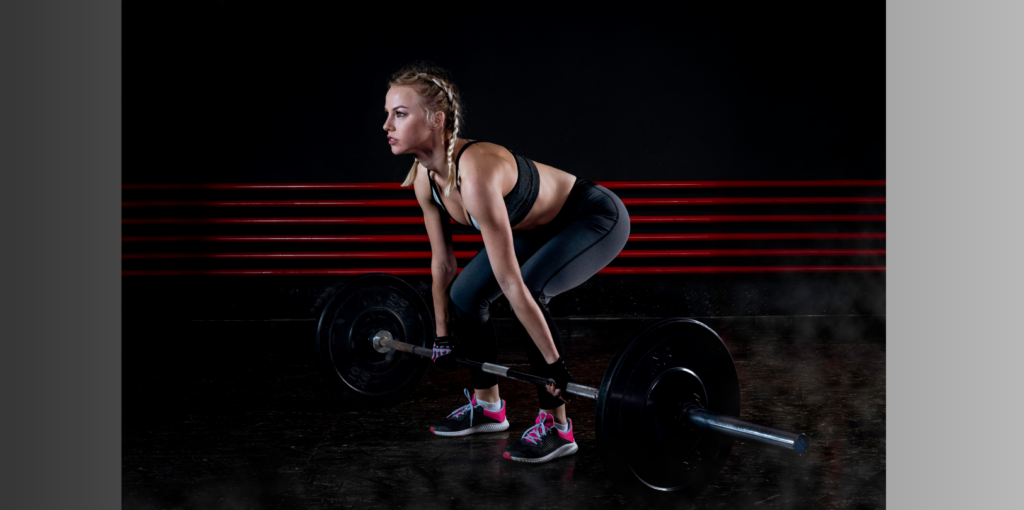

Time to rethink – Krafttraining kann weitreichende Effekte für unsere Gesundheit haben!
Einleitung: Krafttraining neu gedacht
Krafttraining wurde lange Zeit vor allem mit Muskelaufbau, Ästhetik und Leistung assoziiert. Doch dieses klassische Verständnis greift zu kurz. Der Artikel stellt die zentrale These auf, dass Krafttraining deutlich umfassendere Effekte auf unsere Gesundheit haben kann – sowohl physisch als auch psychisch. Es geht nicht nur darum, stärker zu werden, sondern darum, Training als ganzheitliches Werkzeug für Gesundheit und Wohlbefinden zu verstehen.
Mehr als Muskelkraft: Was Training wirklich bewirkt
Traditionell wird angenommen, dass die positiven Effekte von Training hauptsächlich auf Kraftzuwächse zurückzuführen sind. Aktuelle Beobachtungen und Studien zeigen jedoch, dass verschiedene Trainingsformen ähnliche Verbesserungen bei Schmerz und Funktion erzielen können – selbst dann, wenn keine signifikanten Kraftsteigerungen messbar sind.
Das deutet darauf hin, dass andere Mechanismen eine wichtige Rolle spielen. Training wirkt also nicht ausschließlich über biomechanische Anpassungen, sondern über ein Zusammenspiel verschiedener Faktoren. Diese Erkenntnis fordert dazu auf, das klassische Verständnis von Training zu überdenken.
Das biopsychosoziale Modell im Training
Ein zentraler Gedanke des Artikels ist, dass Training nicht isoliert auf den Körper wirkt. Psychologische Faktoren wie Erwartungen, Erfahrungen oder die Beziehung zum Therapeuten können maßgeblich beeinflussen, wie effektiv Training ist. Ebenso spielen Kontext und individuelle Wahrnehmung eine Rolle.
Das bedeutet: Zwei Personen können das gleiche Training durchführen und dennoch unterschiedliche Ergebnisse erzielen. Der Effekt entsteht also nicht nur durch die Übung selbst, sondern auch durch die Bedeutung, die ihr zugeschrieben wird.
Belastung vs. Belastbarkeit: Ein erweitertes Verständnis
Das bekannte Modell der „Wippe“ zwischen Belastung und Belastbarkeit bleibt weiterhin relevant. Allerdings wird im Artikel betont, dass diese beiden Seiten komplexer sind als oft angenommen. Belastbarkeit umfasst nicht nur körperliche Faktoren, sondern auch psychologische und soziale Aspekte.
Training sollte daher nicht nur darauf abzielen, die körperliche Kapazität zu erhöhen, sondern auch Vertrauen in Bewegung aufzubauen und Ängste zu reduzieren. Gerade bei Patient:innen mit Schmerzen kann dies entscheidend für den Therapieerfolg sein.
Training als Mittel zur Selbstwirksamkeit
Ein besonders wichtiger Effekt von Training liegt in der Förderung von Selbstwirksamkeit. Wenn Menschen erleben, dass sie sich trotz Beschwerden bewegen können, verändert sich ihre Wahrnehmung von Schmerz und Belastung.
Training wird damit zu einem Werkzeug, das Sicherheit, Kontrolle und Vertrauen schafft. Diese Faktoren können langfristig ebenso wichtig sein wie körperliche Anpassungen.
Praktische Implikationen für Therapie und Training
Für die Praxis bedeutet das: Krafttraining sollte nicht nur nach mechanischen Prinzipien geplant werden. Stattdessen sollten individuelle Faktoren stärker berücksichtigt werden. Dazu gehören:
- Erwartungen und Ziele der Patient:innen
- frühere Erfahrungen mit Bewegung
- emotionale und soziale Einflüsse
Ein rein auf Kraftsteigerung ausgerichteter Ansatz greift oft zu kurz. Erfolgreiches Training integriert körperliche, psychologische und soziale Komponenten.
Fazit: Ein Perspektivwechsel ist notwendig
Der Artikel plädiert für ein Umdenken im Umgang mit Krafttraining. Es ist nicht nur ein Mittel zur Steigerung der Muskelkraft, sondern ein vielseitiges Instrument zur Verbesserung von Gesundheit, Funktion und Lebensqualität.
Die entscheidende Erkenntnis: Training wirkt auf mehreren Ebenen gleichzeitig. Wer diese Komplexität berücksichtigt, kann Training gezielter einsetzen und nachhaltigere Ergebnisse erzielen.
Dein DK Sports & Physio Team aus der Karlsruher Oststadt
Den ausführlichen Artikel findest du in unserer DK Academy.
Wir geben Physiotherapeuten, Trainern und allen Wissbegierigen einen sachlichen Einblick in die Physiotherapie und helfen so die Rehabilitation und das Training nach Verletzungen oder Beschwerden effizienter zu gestalten.
Sichere dir vollen Zugriff auf unsere Rehab Live Sessions, exklusive Review- und Blogartikel, Simple Tipps und Infografiken.
Du benötigst Physiotherapie im Raum Karlsruhe? Dann sind wir gerne für dich da und unterstützen dich!
Dein DK Sports & Physio Team aus der Karlsruher Oststadt
Unsere weiteren Blog-Artikel

Time to rethink – Krafttraining kann weitreichende Effekte für unsere Gesundheit haben!

Wann & wie taut die Frozen Shoulder wieder auf?

Knöchelverstauchungen oder seitliches Umknicken – der sogenannte Lateral Ankle Sprain
Kreuzbandrehabilitation Endphase – Was ist dabei von Bedeutung?

Was manuelle Lymphdrainage (nicht) kann
Gelenkgeräusche – muss man sich Gedanken machen?
Seitlicher Hüftschmerz Update und Deep-Dive
Quellenangaben:
[1] J. B. Lauersen, D. M. Bertelsen, und L. B. Andersen, „The effectiveness of exercise interventions to prevent sports injuries: a systematic review and meta-analysis of randomised controlled trials“, Br. J. Sports Med., Bd. 48, Nr. 11, S. 871–877, Juni 2014, doi: 10.1136/bjsports-2013-092538.
[2] M. J. Case, D. V. Knudson, und D. L. Downey, „Barbell Squat Relative Strength as an Identifier for Lower Extremity Injury in Collegiate Athletes“, J. Strength Cond. Res., Bd. 34, Nr. 5, S. 1249–1253, Mai 2020, doi: 10.1519/JSC.0000000000003554.
[3] W. Welling, A. Benjaminse, K. Lemmink, und A. Gokeler, „Passing return to sports tests after ACL reconstruction is associated with greater likelihood for return to sport but fail to identify second injury risk“, The Knee, Bd. 27, Nr. 3, S. 949–957, Juni 2020, doi: 10.1016/j.knee.2020.03.007.
[4] Y. B. Ericsson, E. M. Roos, und R. B. Frobell, „Lower extremity performance following ACL rehabilitation in the KANON-trial: impact of reconstruction and predictive value at 2 and 5 years“, Br. J. Sports Med., Bd. 47, Nr. 15, S. 980–985, Okt. 2013, doi: 10.1136/bjsports-2013-092642.
[5] H. Grindem, L. Snyder-Mackler, H. Moksnes, L. Engebretsen, und M. A. Risberg, „Simple decision rules can reduce reinjury risk by 84% after ACL reconstruction: the Delaware-Oslo ACL cohort study“, Br. J. Sports Med., Bd. 50, Nr. 13, S. 804–808, Juli 2016, doi: 10.1136/bjsports-2016-096031.
[6] D. Rodríguez‐Rosell, F. Pareja‐Blanco, P. Aagaard, und J. J. González‐Badillo, „Physiological and methodological aspects of rate of force development assessment in human skeletal muscle“, Clin. Physiol. Funct. Imaging, Bd. 38, Nr. 5, S. 743–762, Sep. 2018, doi: 10.1111/cpf.12495.
[7] L. B. Seitz, A. Reyes, T. T. Tran, E. S. De Villarreal, und G. G. Haff, „Increases in Lower-Body Strength Transfer Positively to Sprint Performance: A Systematic Review with Meta-Analysis“, Sports Med., Bd. 44, Nr. 12, S. 1693–1702, Dez. 2014, doi: 10.1007/s40279-014-0227-1.
[8] M. Keiner, A. Sander, K. Wirth, und D. Schmidtbleicher, „Long-Term Strength Training Effects on Change-of-Direction Sprint Performance“, J. Strength Cond. Res., Bd. 28, Nr. 1, S. 223–231, Jan. 2014, doi: 10.1519/JSC.0b013e318295644b.
[9] Ø. Støren, J. Helgerud, E. M. Støa, und J. Hoff, „Maximal Strength Training Improves Running Economy in Distance Runners“, Med. Sci. Sports Exerc., Bd. 40, Nr. 6, S. 1087–1092, Juni 2008, doi: 10.1249/MSS.0b013e318168da2f.
[10] Y. Eihara u. a., „Heavy Resistance Training Versus Plyometric Training for Improving Running Economy and Running Time Trial Performance: A Systematic Review and Meta-analysis“, Sports Med. – Open, Bd. 8, Nr. 1, S. 138, Dez. 2022, doi: 10.1186/s40798-022-00511-1.
[11] F. Saeidifard u. a., „The association of resistance training with mortality: A systematic review and meta-analysis“, Eur. J. Prev. Cardiol., Bd. 26, Nr. 15, S. 1647–1665, Okt. 2019, doi: 10.1177/2047487319850718.
[12] A. García-Hermoso u. a., „Muscular Strength as a Predictor of All-Cause Mortality in an Apparently Healthy Population: A Systematic Review and Meta-Analysis of Data From Approximately 2 Million Men and Women“, Arch. Phys. Med. Rehabil., Bd. 99, Nr. 10, S. 2100-2113.e5, Okt. 2018, doi: 10.1016/j.apmr.2018.01.008.
[13] E. Stamatakis u. a., „Does Strength-Promoting Exercise Confer Unique Health Benefits? A Pooled Analysis of Data on 11 Population Cohorts With All-Cause, Cancer, and Cardiovascular Mortality Endpoints“, Am. J. Epidemiol., Bd. 187, Nr. 5, S. 1102–1112, Mai 2018, doi: 10.1093/aje/kwx345.
[14] P. Cormie, E. M. Zopf, X. Zhang, und K. H. Schmitz, „The Impact of Exercise on Cancer Mortality, Recurrence, and Treatment-Related Adverse Effects“, Epidemiol. Rev., Bd. 39, Nr. 1, S. 71–92, Jan. 2017, doi: 10.1093/epirev/mxx007.
[15] S. C. Hayes, R. U. Newton, R. R. Spence, und D. A. Galvão, „The Exercise and Sports Science Australia position statement: Exercise medicine in cancer management“, J. Sci. Med. Sport, Bd. 22, Nr. 11, S. 1175–1199, Nov. 2019, doi: 10.1016/j.jsams.2019.05.003.
[16] K. M. Mazzilli, C. E. Matthews, E. A. Salerno, und S. C. Moore, „Weight Training and Risk of 10 Common Types of Cancer“, Med. Sci. Sports Exerc., Bd. 51, Nr. 9, S. 1845–1851, Sep. 2019, doi: 10.1249/MSS.0000000000001987.
[17] N. Marín-Jiménez u. a., „Association of Self-Reported Physical Fitness with Pregnancy Related Symptoms the GESTAFIT Project“, Int. J. Environ. Res. Public. Health, Bd. 18, Nr. 7, S. 3345, März 2021, doi: 10.3390/ijerph18073345.
[18] U. Schäfer-Graf, „Gestational Diabetes – Major New Clinically Relevant Aspects“, Geburtshilfe Frauenheilkd., Bd. 78, Nr. 10, S. 977–983, Okt. 2018, doi: 10.1055/a-0707-6697.
[19] M. A. Brown u. a., „The hypertensive disorders of pregnancy: ISSHP classification, diagnosis & management recommendations for international practice“, Pregnancy Hypertens., Bd. 13, S. 291–310, Juli 2018, doi: 10.1016/j.preghy.2018.05.004.
[20] S. Thangaratinam u. a., „Effects of interventions in pregnancy on maternal weight and obstetric outcomes: meta-analysis of randomised evidence“, BMJ, Bd. 344, Nr. may16 4, S. e2088–e2088, Mai 2012, doi: 10.1136/bmj.e2088.
[21] M. F. Mottola u. a., „2019 Canadian guideline for physical activity throughout pregnancy“, Br. J. Sports Med., Bd. 52, Nr. 21, S. 1339–1346, Nov. 2018, doi: 10.1136/bjsports-2018-100056.
[22] N. Ferrari und C. Joisten, „Impact of physical activity on course and outcome of pregnancy from pre- to postnatal“, Eur. J. Clin. Nutr., Bd. 75, Nr. 12, S. 1698–1709, Dez. 2021, doi: 10.1038/s41430-021-00904-7.
[23] M. M. Ribeiro, A. Andrade, und I. Nunes, „Physical exercise in pregnancy: benefits, risks and prescription“, J. Perinat. Med., Bd. 50, Nr. 1, S. 4–17, Jan. 2022, doi: 10.1515/jpm-2021-0315.
[24] Y. Cherni u. a., „Evaluation of ligament laxity during pregnancy“, J. Gynecol. Obstet. Hum. Reprod., Bd. 48, Nr. 5, S. 351–357, Mai 2019, doi: 10.1016/j.jogoh.2019.02.009.
[25] M. Perales, A. Santos-Lozano, J. R. Ruiz, A. Lucia, und R. Barakat, „Benefits of aerobic or resistance training during pregnancy on maternal health and perinatal outcomes: A systematic review“, Early Hum. Dev., Bd. 94, S. 43–48, März 2016, doi: 10.1016/j.earlhumdev.2016.01.004.
[26] dr. C.S. Kampshoff, dr. W.F.H. Peter, M.C.M. van Doormaal MSc dr. J. Knoop, G.A. Meerhoff MSc, und prof. dr. T.P.M. Vliet Vlieland, „KNGF-richtlijn Artrose heup-knie“. mei 2018. [Online]. Verfügbar unter: https://www.kngf2.nl/kennisplatform/richtlijnen/artrose-heup-knie
[27] Q. Weng u. a., „Comparative efficacy of exercise therapy and oral non-steroidal anti-inflammatory drugs and paracetamol for knee or hip osteoarthritis: a network meta-analysis of randomised controlled trials“, Br. J. Sports Med., S. bjsports-2022-105898, Jan. 2023, doi: 10.1136/bjsports-2022-105898.
[28] S. L. Watson, B. K. Weeks, L. J. Weis, A. T. Harding, S. A. Horan, und B. R. Beck, „High‐Intensity Resistance and Impact Training Improves Bone Mineral Density and Physical Function in Postmenopausal Women With Osteopenia and Osteoporosis: The LIFTMOR Randomized Controlled Trial“, J. Bone Miner. Res., Bd. 33, Nr. 2, S. 211–220, Feb. 2018, doi: 10.1002/jbmr.3284.
[29] C. Galli, G. Passeri, und G. M. Macaluso, „Osteocytes and WNT: the Mechanical Control of Bone Formation“, J. Dent. Res., Bd. 89, Nr. 4, S. 331–343, Apr. 2010, doi: 10.1177/0022034510363963.
[30] D. A. Skelton und A. Mavroeidi, „Which strength and balance activities are safe and efficacious for individuals with specific challenges (osteoporosis, vertebral fractures, frailty, dementia)?: A Narrative review“, J. Frailty Sarcopenia Falls, Bd. 03, Nr. 02, S. 85–104, Juni 2018, doi: 10.22540/JFSF-03-085.
[31] A. B. Oliveira, L. P. Queiroz, P. Sampaio Rocha-Filho, E. M. Sarmento, und M. F. Peres, „Annual indirect costs secondary to headache disability in Brazil“, Cephalalgia, Bd. 40, Nr. 6, S. 597–605, Mai 2020, doi: 10.1177/0333102419889357.
[32] M. Linde u. a., „The cost of headache disorders in Europe: the Eurolight project: Cost of headache in Europe“, Eur. J. Neurol., Bd. 19, Nr. 5, S. 703–711, Mai 2012, doi: 10.1111/j.1468-1331.2011.03612.x.
[33] S. Yu u. a., „The Prevalence and Burden of Primary Headaches in China: A Population-Based Door-to-Door Survey“, Headache J. Head Face Pain, Bd. 52, Nr. 4, S. 582–591, Apr. 2012, doi: 10.1111/j.1526-4610.2011.02061.x.
[34] Y. W. Woldeamanuel und R. P. Cowan, „Migraine affects 1 in 10 people worldwide featuring recent rise: A systematic review and meta-analysis of community-based studies involving 6 million participants“, J. Neurol. Sci., Bd. 372, S. 307–315, Jan. 2017, doi: 10.1016/j.jns.2016.11.071.
[35] S. Ashina, L. Bendtsen, A. C. Lyngberg, R. B. Lipton, N. Hajiyeva, und R. Jensen, „Prevalence of neck pain in migraine and tension-type headache: A population study“, Cephalalgia, Bd. 35, Nr. 3, S. 211–219, März 2015, doi: 10.1177/0333102414535110.
[36] M. M. Bragatto u. a., „Is the presence of neck pain associated with more severe clinical presentation in patients with migraine? A cross-sectional study“, Cephalalgia, Bd. 39, Nr. 12, S. 1500–1508, Okt. 2019, doi: 10.1177/0333102419854061.
[37] G. F. Carvalho, A. Schwarz, T. M. Szikszay, W. M. Adamczyk, D. Bevilaqua-Grossi, und K. Luedtke, „Physical therapy and migraine: musculoskeletal and balance dysfunctions and their relevance for clinical practice“, Braz. J. Phys. Ther., Bd. 24, Nr. 4, S. 306–317, Juli 2020, doi: 10.1016/j.bjpt.2019.11.001.
[38] L. S. Krøll u. a., „Level of physical activity, well-being, stress and self-rated health in persons with migraine and co-existing tension-type headache and neck pain“, J. Headache Pain, Bd. 18, Nr. 1, S. 46, Dez. 2017, doi: 10.1186/s10194-017-0753-y.
[39] A. Andrade, R. de Azevedo Klumb Steffens, S. M. Sieczkowska, L. A. Peyré Tartaruga, und G. Torres Vilarino, „A systematic review of the effects of strength training in patients with fibromyalgia: clinical outcomes and design considerations“, Adv. Rheumatol., Bd. 58, Nr. 1, S. 36, Dez. 2018, doi: 10.1186/s42358-018-0033-9.
[40] R. Chou u. a., „Nonpharmacologic Therapies for Low Back Pain: A Systematic Review for an American College of Physicians Clinical Practice Guideline“, Ann. Intern. Med., Bd. 166, Nr. 7, S. 493, Apr. 2017, doi: 10.7326/M16-2459.
[41] J. A. Hayden, J. Ellis, R. Ogilvie, A. Malmivaara, und M. W. van Tulder, „Exercise therapy for chronic low back pain“, Cochrane Database Syst. Rev., Bd. 2021, Nr. 10, Sep. 2021, doi: 10.1002/14651858.CD009790.pub2.
[42] J. Hayden, M. W. van Tulder, A. Malmivaara, und B. W. Koes, „Exercise therapy for treatment of non-specific low back pain“, Cochrane Database Syst. Rev., Juli 2005, doi: 10.1002/14651858.CD000335.pub2.
[43] G. C. Miyamoto, C.-W. C. Lin, C. M. N. Cabral, J. M. Van Dongen, und M. W. Van Tulder, „Cost-effectiveness of exercise therapy in the treatment of non-specific neck pain and low back pain: a systematic review with meta-analysis“, Br. J. Sports Med., Bd. 53, Nr. 3, S. 172–181, Feb. 2019, doi: 10.1136/bjsports-2017-098765.
[44] R. Fernández-Rodríguez u. a., „Best Exercise Options for Reducing Pain and Disability in Adults With Chronic Low Back Pain: Pilates, Strength, Core-Based, and Mind-Body. A Network Meta-analysis“, J. Orthop. Sports Phys. Ther., Bd. 52, Nr. 8, S. 505–521, Aug. 2022, doi: 10.2519/jospt.2022.10671.
[45] B. W. Penninx, Y. Milaneschi, F. Lamers, und N. Vogelzangs, „Understanding the somatic consequences of depression: biological mechanisms and the role of depression symptom profile“, BMC Med., Bd. 11, Nr. 1, S. 129, Dez. 2013, doi: 10.1186/1741-7015-11-129.
[46] C. U. Correll u. a., „Prevalence, incidence and mortality from cardiovascular disease in patients with pooled and specific severe mental illness: a large-scale meta-analysis of 3,211,768 patients and 113,383,368 controls“, World Psychiatry, Bd. 16, Nr. 2, S. 163–180, Juni 2017, doi: 10.1002/wps.20420.
[47] H. S. Lett, „Depression as a Risk Factor for Coronary Artery Disease: Evidence, Mechanisms, and Treatment“, Psychosom. Med., Bd. 66, Nr. 3, S. 305–315, Mai 2004, doi: 10.1097/01.psy.0000126207.43307.c0.
[48] R. C. Green u. a., „Depression as a Risk Factor for Alzheimer Disease: The MIRAGE Study“, Arch. Neurol., Bd. 60, Nr. 5, S. 753, Mai 2003, doi: 10.1001/archneur.60.5.753.
[49] M. J. Knol, J. W. R. Twisk, A. T. F. Beekman, R. J. Heine, F. J. Snoek, und F. Pouwer, „Depression as a risk factor for the onset of type 2 diabetes mellitus. A meta-analysis“, Diabetologia, Bd. 49, Nr. 5, S. 837–845, Mai 2006, doi: 10.1007/s00125-006-0159-x.
[50] M. A. Whooley, „Depressive Symptoms, Health Behaviors, and Risk of Cardiovascular Events in Patients With Coronary Heart Disease“, JAMA, Bd. 300, Nr. 20, S. 2379, Nov. 2008, doi: 10.1001/jama.2008.711.
[51] M. R. DiMatteo, H. S. Lepper, und T. W. Croghan, „Depression Is a Risk Factor for Noncompliance With Medical Treatment: Meta-analysis of the Effects of Anxiety and Depression on Patient Adherence“, Arch. Intern. Med., Bd. 160, Nr. 14, S. 2101, Juli 2000, doi: 10.1001/archinte.160.14.2101.
[52] B. R. Gordon, C. P. McDowell, M. Lyons, und M. P. Herring, „The Effects of Resistance Exercise Training on Anxiety: A Meta-Analysis and Meta-Regression Analysis of Randomized Controlled Trials“, Sports Med., Bd. 47, Nr. 12, S. 2521–2532, Dez. 2017, doi: 10.1007/s40279-017-0769-0.
[53] P. J. O’Connor, M. P. Herring, und A. Caravalho, „Mental Health Benefits of Strength Training in Adults“, Am. J. Lifestyle Med., Bd. 4, Nr. 5, S. 377–396, Sep. 2010, doi: 10.1177/1559827610368771.
[54] B. R. Gordon, C. P. McDowell, M. Hallgren, J. D. Meyer, M. Lyons, und M. P. Herring, „Association of Efficacy of Resistance Exercise Training With Depressive Symptoms: Meta-analysis and Meta-regression Analysis of Randomized Clinical Trials“, JAMA Psychiatry, Bd. 75, Nr. 6, S. 566, Juni 2018, doi: 10.1001/jamapsychiatry.2018.0572.
[55] M. Wingood u. a., „Community-Dwelling Older Adults and Physical Activity Recommendations: Patterns of Aerobic, Strengthening, and Balance Activities“, J. Aging Phys. Act., S. 1–13, 2021, doi: 10.1123/japa.2021-0194.
[56] W. Kemmler u. a., „Effects of High‐Intensity Resistance Training on Osteopenia and Sarcopenia Parameters in Older Men with Osteosarcopenia—One‐Year Results of the Randomized Controlled Franconian Osteopenia and Sarcopenia Trial ( FrOST )“, J. Bone Miner. Res., Bd. 35, Nr. 9, S. 1634–1644, Sep. 2020, doi: 10.1002/jbmr.4027.
[57] S. Vikberg u. a., „Effects of Resistance Training on Functional Strength and Muscle Mass in 70-Year-Old Individuals With Pre-sarcopenia: A Randomized Controlled Trial“, J. Am. Med. Dir. Assoc., Bd. 20, Nr. 1, S. 28–34, Jan. 2019, doi: 10.1016/j.jamda.2018.09.011.
[58] H. Momma, R. Kawakami, T. Honda, und S. S. Sawada, „Muscle-strengthening activities are associated with lower risk and mortality in major non-communicable diseases: a systematic review and meta-analysis of cohort studies“, Br. J. Sports Med., Bd. 56, Nr. 13, S. 755–763, Juli 2022, doi: 10.1136/bjsports-2021-105061.
[59] E. L. Giovannucci, L. F. M. Rezende, und D. H. Lee, „Muscle‐strengthening activities and risk of cardiovascular disease, type 2 diabetes, cancer and mortality: A review of prospective cohort studies“, J. Intern. Med., Bd. 290, Nr. 4, S. 789–805, Okt. 2021, doi: 10.1111/joim.13344.
[60] R. R. Correia, A. S. C. Veras, W. R. Tebar, J. C. Rufino, V. R. G. Batista, und G. R. Teixeira, „Strength training for arterial hypertension treatment: a systematic review and meta-analysis of randomized clinical trials“, Sci. Rep., Bd. 13, Nr. 1, S. 201, Jan. 2023, doi: 10.1038/s41598-022-26583-3.
[61] E. J. Aguiar, P. J. Morgan, C. E. Collins, R. C. Plotnikoff, und R. Callister, „Efficacy of interventions that include diet, aerobic and resistance training components for type 2 diabetes prevention: a systematic review with meta-analysis“, Int. J. Behav. Nutr. Phys. Act., Bd. 11, Nr. 1, S. 2, Dez. 2014, doi: 10.1186/1479-5868-11-2.
[62] A. Grøntved, E. B. Rimm, W. C. Willett, L. B. Andersen, und F. B. Hu, „A Prospective Study of Weight Training and Risk of Type 2 Diabetes Mellitus in Men“, Arch. Intern. Med., Bd. 172, Nr. 17, S. 1306, Sep. 2012, doi: 10.1001/archinternmed.2012.3138.
[63] E. J. Shiroma u. a., „Strength Training and the Risk of Type 2 Diabetes and Cardiovascular Disease“, Med. Sci. Sports Exerc., Bd. 49, Nr. 1, S. 40–46, Jan. 2017, doi: 10.1249/MSS.0000000000001063.
[64] M. J. Mueller und K. S. Maluf, „Tissue adaptation to physical stress: a proposed ‚Physical Stress Theory‘ to guide physical therapist practice, education, and research“, Phys. Ther., Bd. 82, Nr. 4, S. 383–403, Apr. 2002.
[65] P. Grzelak, M. Podgorski, L. Stefanczyk, M. Krochmalski, und M. Domzalski, „Hypertrophied cruciate ligament in high performance weightlifters observed in magnetic resonance imaging“, Int. Orthop., Bd. 36, Nr. 8, S. 1715–1719, Aug. 2012, doi: 10.1007/s00264-012-1528-3.
[66] M. L. Beaulieu u. a., „The Anterior Cruciate Ligament Can Become Hypertrophied in Response to Mechanical Loading: A Magnetic Resonance Imaging Study in Elite Athletes“, Am. J. Sports Med., Bd. 49, Nr. 9, S. 2371–2378, Juli 2021, doi: 10.1177/03635465211012354.
[67] F. Eckstein, M. Hudelmaier, und R. Putz, „The effects of exercise on human articular cartilage“, J. Anat., Bd. 208, Nr. 4, S. 491–512, Apr. 2006, doi: 10.1111/j.1469-7580.2006.00546.x.
[68] B. Vanwanseele, F. Eckstein, H. Knecht, A. Spaepen, und E. Stüssi, „Longitudinal analysis of cartilage atrophy in the knees of patients with spinal cord injury: Atrophy of Knee Cartilage After Spinal Cord Injury“, Arthritis Rheum., Bd. 48, Nr. 12, S. 3377–3381, Dez. 2003, doi: 10.1002/art.11367.
[69] M. Hudelmaier, C. Glaser, K.-H. Englmeier, M. Reiser, R. Putz, und F. Eckstein, „Correlation of knee-joint cartilage morphology with muscle cross-sectional areas vs. anthropometric variables“, Anat. Rec., Bd. 270A, Nr. 2, S. 175–184, Feb. 2003, doi: 10.1002/ar.a.10001.
[70] Y. B. Ericsson, E. M. Roos, H. Owman, und L. E. Dahlberg, „Association between thigh muscle strength four years after partial meniscectomy and radiographic features of osteoarthritis 11 years later“, BMC Musculoskelet. Disord., Bd. 20, Nr. 1, S. 512, Dez. 2019, doi: 10.1186/s12891-019-2875-7.
[71] D. J. Hunter und S. Bierma-Zeinstra, „Osteoarthritis“, The Lancet, Bd. 393, Nr. 10182, S. 1745–1759, Apr. 2019, doi: 10.1016/S0140-6736(19)30417-9.
[72] I. Lin u. a., „What does best practice care for musculoskeletal pain look like? Eleven consistent recommendations from high-quality clinical practice guidelines: systematic review“, Br. J. Sports Med., Bd. 54, Nr. 2, S. 79–86, Jan. 2020, doi: 10.1136/bjsports-2018-099878.
[73] C. Juhl, R. Christensen, E. M. Roos, W. Zhang, und H. Lund, „Impact of Exercise Type and Dose on Pain and Disability in Knee Osteoarthritis: A Systematic Review and Meta‐Regression Analysis of Randomized Controlled Trials“, Arthritis Rheumatol., Bd. 66, Nr. 3, S. 622–636, März 2014, doi: 10.1002/art.38290.
[74] A. Bricca, A. Struglics, S. Larsson, M. Steultjens, C. B. Juhl, und E. M. Roos, „Impact of Exercise Therapy on Molecular Biomarkers Related to Cartilage and Inflammation in Individuals at Risk of, or With Established, Knee Osteoarthritis: A Systematic Review and Meta‐Analysis of Randomized Controlled Trials“, Arthritis Care Res., Bd. 71, Nr. 11, S. 1504–1515, Nov. 2019, doi: 10.1002/acr.23786.
[75] S. Bohm, F. Mersmann, und A. Arampatzis, „Human tendon adaptation in response to mechanical loading: a systematic review and meta-analysis of exercise intervention studies on healthy adults“, Sports Med. – Open, Bd. 1, Nr. 1, S. 7, Dez. 2015, doi: 10.1186/s40798-015-0009-9.
[76] A. N. Turner und I. Jeffreys, „The Stretch-Shortening Cycle: Proposed Mechanisms and Methods for Enhancement“, Strength Cond. J., Bd. 32, Nr. 4, S. 87–99, Aug. 2010, doi: 10.1519/SSC.0b013e3181e928f9.
[77] M. Murphy u. a., „Rate of Improvement of Pain and Function in Mid-Portion Achilles Tendinopathy with Loading Protocols: A Systematic Review and Longitudinal Meta-Analysis“, Sports Med., Bd. 48, Nr. 8, S. 1875–1891, Aug. 2018, doi: 10.1007/s40279-018-0932-2.
[78] J. Head, A. Mallows, J. Debenham, M. J. Travers, und L. Allen, „The efficacy of loading programmes for improving patient‐reported outcomes in chronic midportion Achilles tendinopathy: A systematic review“, Musculoskeletal Care, Bd. 17, Nr. 4, S. 283–299, Dez. 2019, doi: 10.1002/msc.1428.
[79] G. Radovanović, S. Bohm, K. K. Peper, A. Arampatzis, und K. Legerlotz, „Evidence-Based High-Loading Tendon Exercise for 12 Weeks Leads to Increased Tendon Stiffness and Cross-Sectional Area in Achilles Tendinopathy: A Controlled Clinical Trial“, Sports Med. – Open, Bd. 8, Nr. 1, S. 149, Dez. 2022, doi: 10.1186/s40798-022-00545-5.
[80] M. Kongsgaard u. a., „Region specific patellar tendon hypertrophy in humans following resistance training“, Acta Physiol., Bd. 191, Nr. 2, S. 111–121, Okt. 2007, doi: 10.1111/j.1748-1716.2007.01714.x.
[81] M. A. Wewege u. a., „The Effect of Resistance Training in Healthy Adults on Body Fat Percentage, Fat Mass and Visceral Fat: A Systematic Review and Meta-Analysis“, Sports Med., Bd. 52, Nr. 2, S. 287–300, Feb. 2022, doi: 10.1007/s40279-021-01562-2.
[82] V. A. Cornelissen und R. H. Fagard, „Effect of resistance training on resting blood pressure: a meta-analysis of randomized controlled trials“:, J. Hypertens., Bd. 23, Nr. 2, S. 251–259, Feb. 2005, doi: 10.1097/00004872-200502000-00003.
[83] G. A. Kelley und K. S. Kelley, „Impact of progressive resistance training on lipids and lipoproteins in adults: A meta-analysis of randomized controlled trials“, Prev. Med., Bd. 48, Nr. 1, S. 9–19, Jan. 2009, doi: 10.1016/j.ypmed.2008.10.010.
[84] P. Lopez u. a., „Resistance training effectiveness on body composition and body weight outcomes in individuals with overweight and obesity across the lifespan: A systematic review and meta‐analysis“, Obes. Rev., Bd. 23, Nr. 5, S. e13428, Mai 2022, doi: 10.1111/obr.13428.
[85] P. D. Thompson, R. Arena, D. Riebe, und L. S. Pescatello, „ACSM’s New Preparticipation Health Screening Recommendations from ACSM’s Guidelines for Exercise Testing and Prescription, Ninth Edition:“, Curr. Sports Med. Rep., Bd. 12, Nr. 4, S. 215–217, 2013, doi: 10.1249/JSR.0b013e31829a68cf.
[86] A. J. Blazevich u. a., „Range of motion, neuromechanical, and architectural adaptations to plantar flexor stretch training in humans“, J. Appl. Physiol., Bd. 117, Nr. 5, S. 452–462, Sep. 2014, doi: 10.1152/japplphysiol.00204.2014.
[87] R. Y. W. Law, L. A. Harvey, M. K. Nicholas, L. Tonkin, M. De Sousa, und D. G. Finniss, „Stretch Exercises Increase Tolerance to Stretch in Patients With Chronic Musculoskeletal Pain: A Randomized Controlled Trial“, Phys. Ther., Bd. 89, Nr. 10, S. 1016–1026, Okt. 2009, doi: 10.2522/ptj.20090056.
[88] J. Afonso u. a., „Strength training is as effective as stretching for improving range of motion: A systematic review and meta-analysis.“, MetaArXiv, preprint, Jan. 2021. doi: 10.31222/osf.io/2tdfm.
[89] S. K. Morton, J. R. Whitehead, R. H. Brinkert, und D. J. Caine, „Resistance training vs. static stretching: effects on flexibility and strength“, J. Strength Cond. Res., Bd. 25, Nr. 12, S. 3391–3398, Dez. 2011, doi: 10.1519/JSC.0b013e31821624